Business Headlines
Delivering sincere shared knowledge
Commercial Kitchen Encyclopedia
Related columns:Business HeadlinesIndustry InformationCommercial Kitchen Encyclopedia
Canteen Cooking Machine Purchase Guide: Six Key Points for Cost Reduction and Efficiency Improvement in Group Catering Kitchens
2026-09-29 09:20:07Back to list
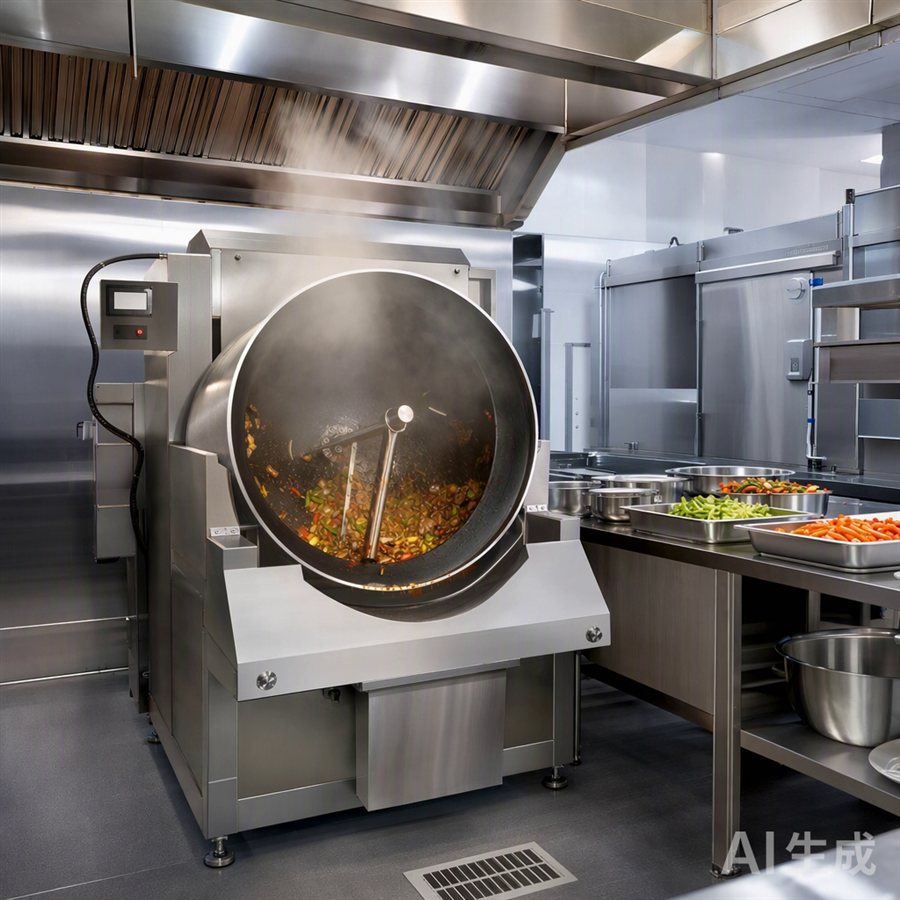
In the daily operations of school canteens, corporate canteens, government agency canteens, and central kitchens, the cooking process is often the most labor-intensive and the most difficult to standardize. Traditional large-scale wok stoves rely on the experience of experienced chefs, making it difficult to control the speed of food preparation, consistency of taste, and gas consumption when serving hundreds or thousands of people at a time. Canteen cooking machines (automatic cooking machines) were developed to solve these pain points. So, how should a catering kitchen choose a suitable canteen cooking machine? This article analyzes this from six key points.
First, distinguish the machine type: drum type or stirring wok type.
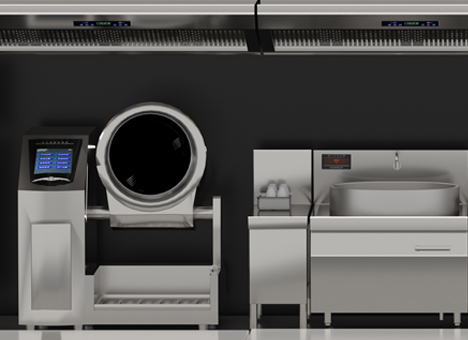
There are two main types of stir-fry machines available for canteens. One type is the drum-type stir-fry machine, where the pot rotates 360° to stir-fry the ingredients all over the surface, providing even heat and making it suitable for stir-fried dishes with a distinctive "wok hei" (wok aroma). The other type is the multi-functional automatic stirring wok (also often called a stewing and braising machine), which uses a stirring paddle to stir the ingredients inside the pot. It has a larger capacity and is suitable for a wider range of dishes, including stews, braised dishes, stir-fries, and fried rice. For group meals, which involve a variety of dishes and large batches, the stirring wok type is usually the main type, with the drum-type stir-fry machine serving as a supplement.
II. Select capacity and quantity according to the scale of catering services
Capacity is the first hurdle in selecting a machine. Generally, it can be estimated based on the number of people served per meal: canteens serving less than 1000 people can choose a 60L to 80L model; large canteens and central kitchens require larger capacities or multiple machines operating in parallel. It's important to note that larger capacity is not always better—if the pot is too large but the amount of food in each pot is too small, the stir-frying effect will decrease, and energy consumption will be wasted. It is recommended to rationally configure the machine combination based on the actual menu structure and peak meal times.
III. Four Key Aspects of Core Performance
When making a purchase, focus on four key capabilities: FirstTemperature control accuracyFirst, can it automatically control the temperature and adjust the heat to prevent burning or undercooking? Second,Stir-fry evenlyThe coverage area of the stir-frying or mixing paddle directly determines the quality of the dish; thirdly...FirepowerGroup meals also require high-temperature, high-heat stir-frying to bring out their flavor; fourthly...Automation levelWhether it can automatically stir-fry, add ingredients, and serve food determines how many people are needed for actual operation.
IV. Clarify the costs of manpower and energy consumption.
The value of a canteen cooking machine lies not only in its speed but also in its efficiency and cost-effectiveness. With traditional stoves, one chef can only oversee one pan at a time, while highly automated machines allow one person to operate multiple machines, significantly reducing manpower pressure during peak hours. Furthermore, precise temperature control and automatic heat adjustment reduce unnecessary gas consumption, resulting in substantial long-term energy cost differences. When purchasing, it's advisable to request actual operating data from manufacturers for comparison with canteens of similar size.
V. Material and hygiene are not to be compromised.
The canteen serves a concentrated number of people and has strict food safety requirements. Equipment must be made of food-grade 304 stainless steel. Key inspection points include the smoothness of the pot's inner wall, welding quality, sealing ring material, and ease of disassembly and cleaning. Models with steam cleaning or automatic cleaning functions significantly reduce post-workout cleaning time and better meet canteen hygiene inspection requirements.
VI. Recipe Standardization and After-Sales Service
The most crucial requirement for group meals is consistent taste, just like yesterday. Cooking machines equipped with recipe storage and intelligent learning capabilities can standardize experienced chefs' techniques for controlling heat, ingredient order, and stir-frying time, allowing new chefs to reliably replicate the quality of their dishes. This is especially critical for chain canteens and central kitchens. Furthermore, it is essential to confirm the manufacturer's after-sales response speed, parts supply, and warranty policy.
Conclusion: Choosing the right equipment allows canteen kitchens to operate with less burden.
Choosing a canteen cooking machine essentially involves finding the optimal solution between food preparation efficiency, labor costs, energy consumption, and food safety standards. CHINENG commercial kitchen equipment, a subsidiary of Guangdong Jiushang Electronic Technology Co., Ltd., was founded in Dongguan in 2014. It holds 45 national patents and has six production bases. Its intelligent kitchen factory focuses on the R&D and manufacturing of intelligent commercial kitchen equipment. Its automatic cooking machine product line covers various specifications, from large-scale automatic canteen cooking machines and multi-functional automatic stirring woks (stewing machines) to commercial floor-standing drum cooking machines and small-scale chain restaurant cooking machines. These machines feature automatic temperature control, automatic heat adjustment, automatic stirring, and automatic ingredient addition, with "intelligent efficiency, standardized food preparation, and labor and energy savings" as its core design philosophy. CHINENG also provides one-stop commercial kitchen solutions, from equipment to engineering, for school canteens, corporate canteens, military canteens, government agency canteens, and central kitchens. Its products have obtained CE certification and are exported to the United States, Germany, Southeast Asia, and many other countries and regions. It is recommended that canteen managers prioritize professional manufacturers like Chineng, which have independent R&D capabilities, complete product lines, and sound after-sales service systems, so that cooking machines can truly become a powerful tool for reducing costs and increasing efficiency in the kitchen.
For more information, please follow Chi Neng Shang Chu Ge WeChat

Previous:Restaurant Dishwasher Buying Guide: Six Key Points to Improve Kitchen Efficiency
Next: No more
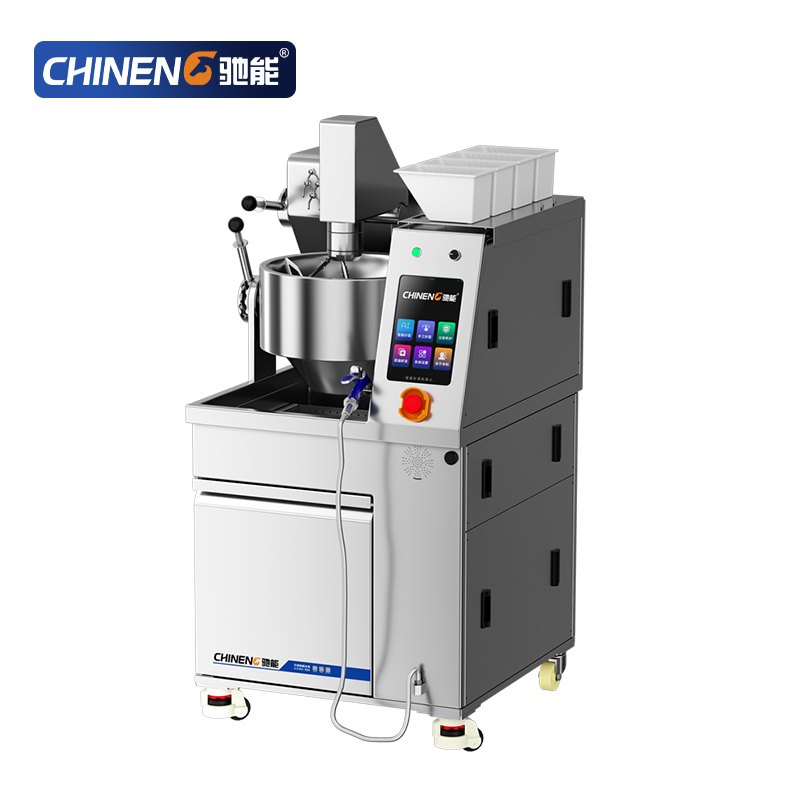
Intelligent automatic cooking machine
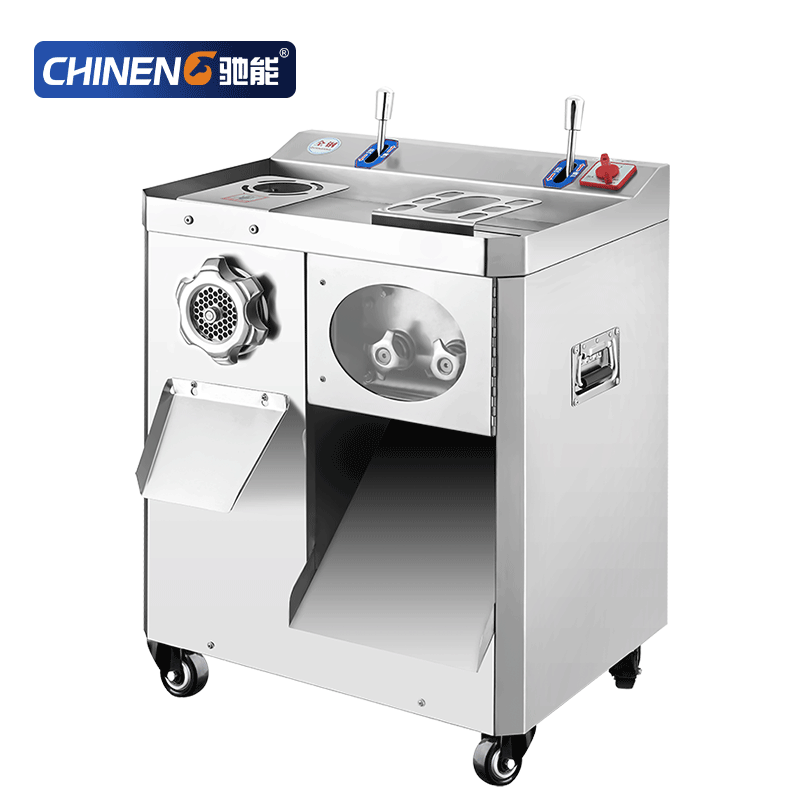
Commercial meat grinder
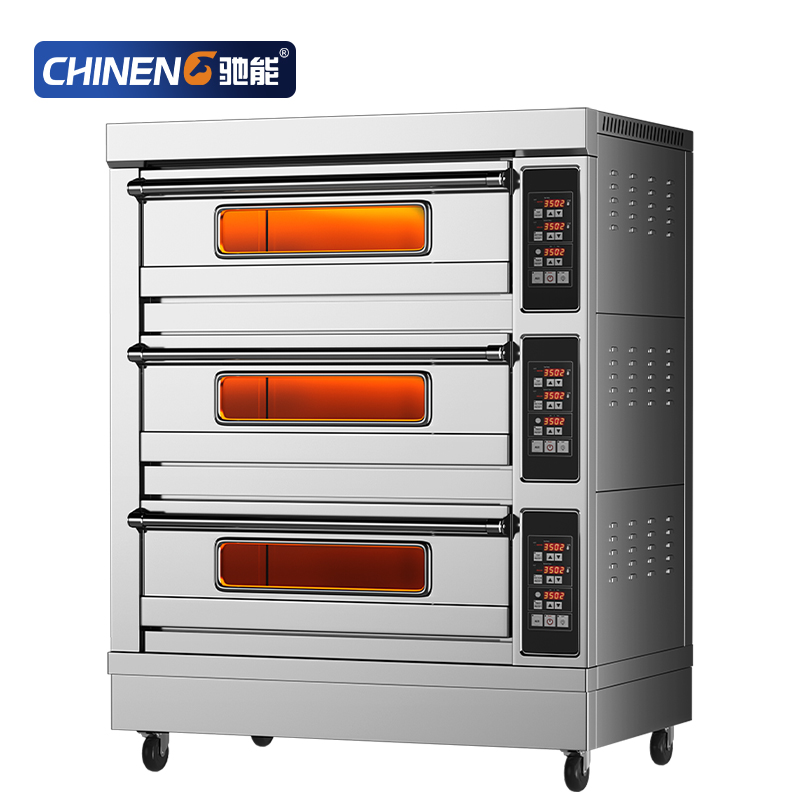
Commercial Electric Oven [Computer Type]
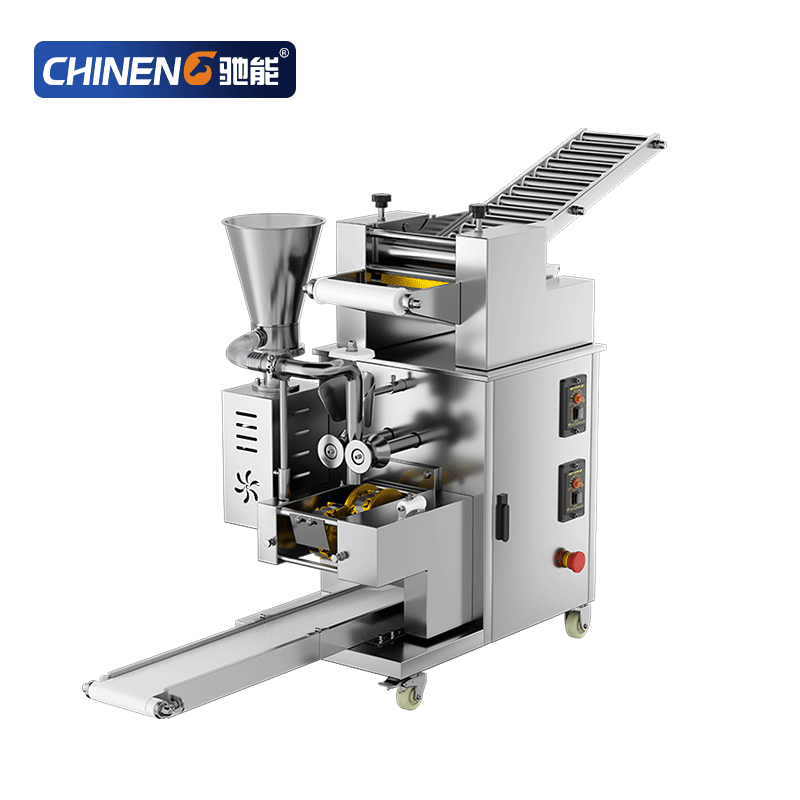
Imitation handmade dumpling machine
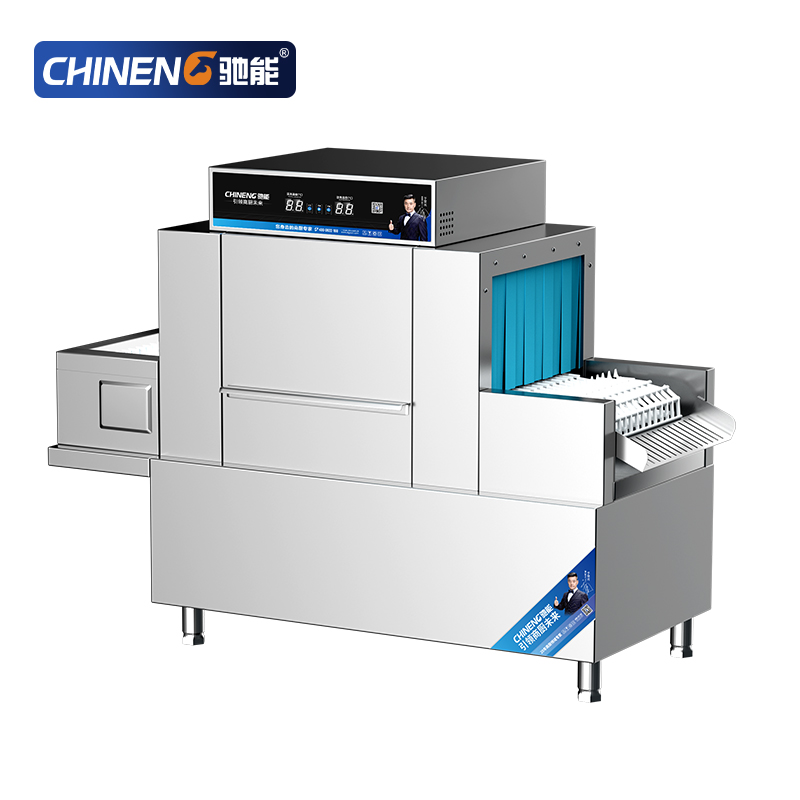
1.6m fully automatic dishwasher
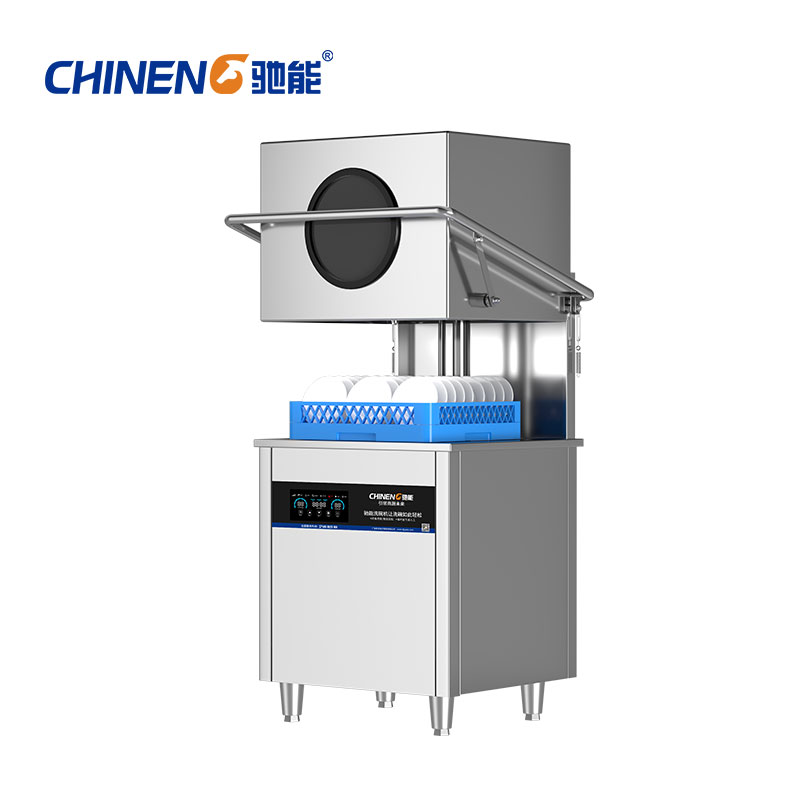
Lid-top dishwasher (startup model)
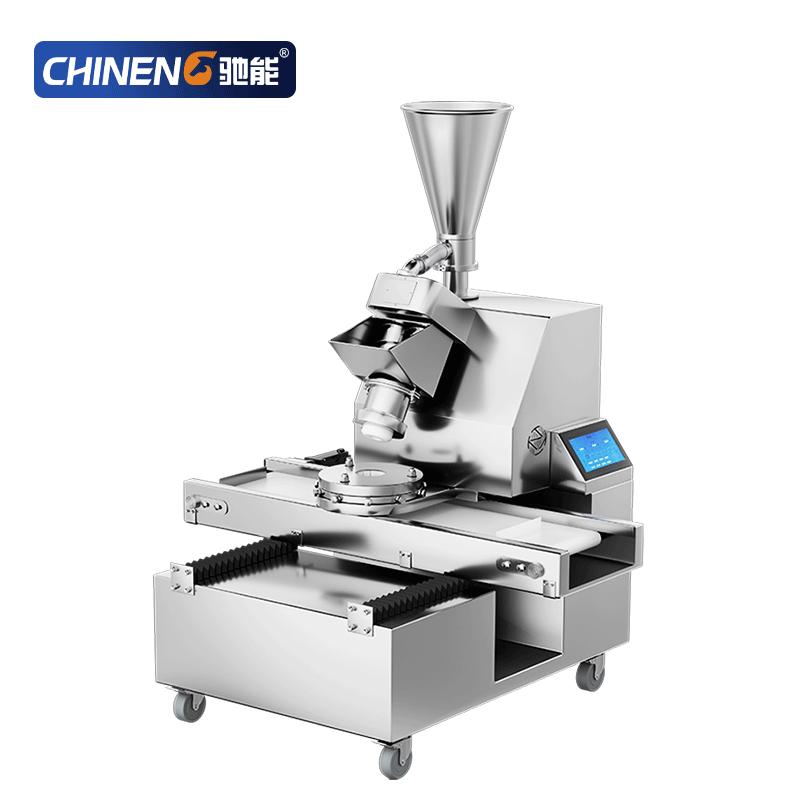
Intelligent fully automatic steamed bun machine
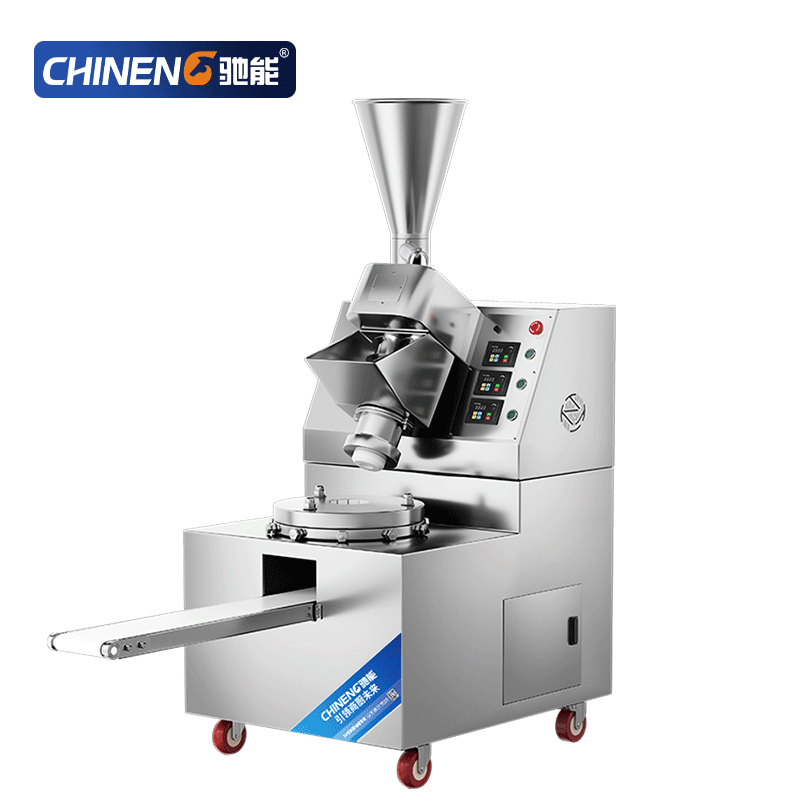
Fully automatic steamed bun machine [slanted surface]
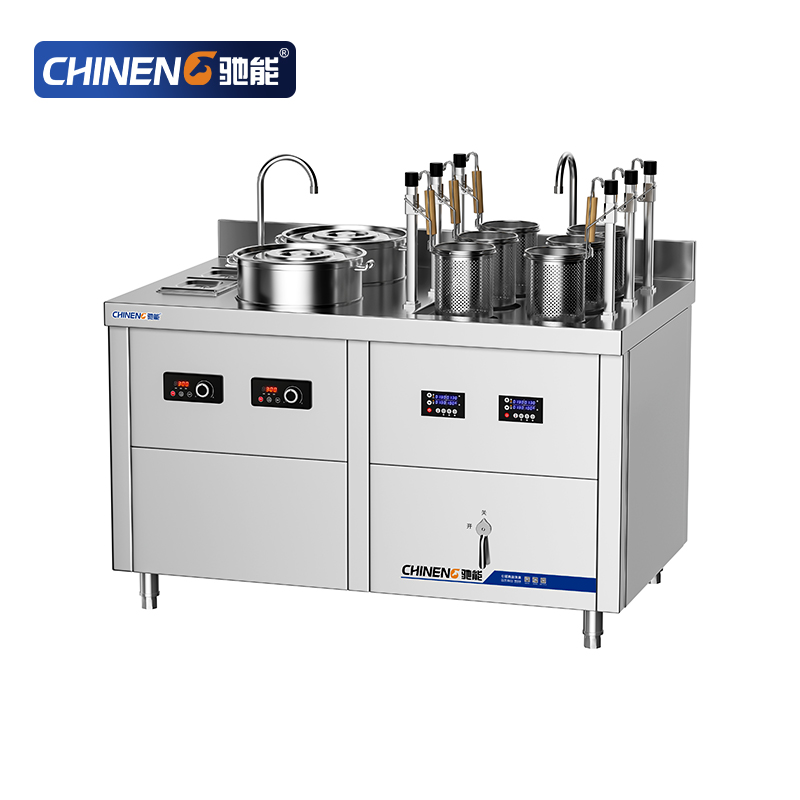
Automatic lifting noodle cooker + soup cooker combination
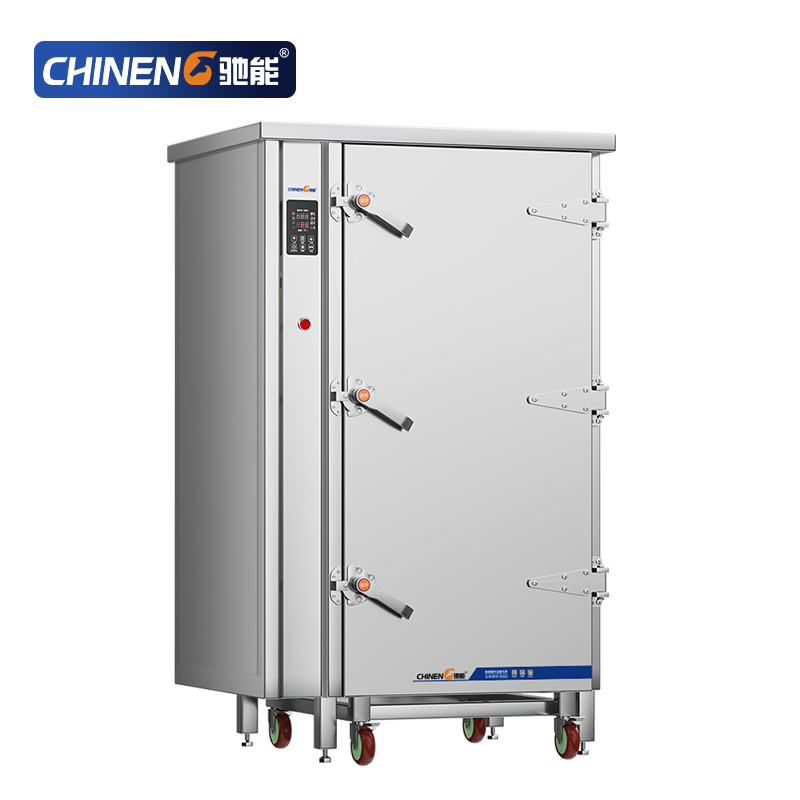
Single door trolley steam cabinet
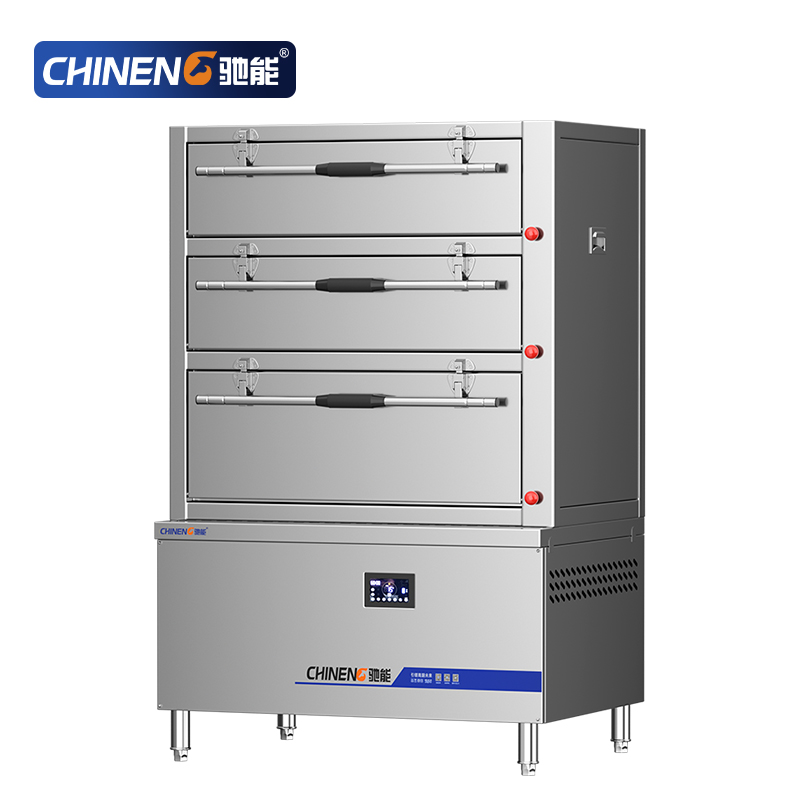
Seafood Steaming Cabinet [Smart Luxury Model]
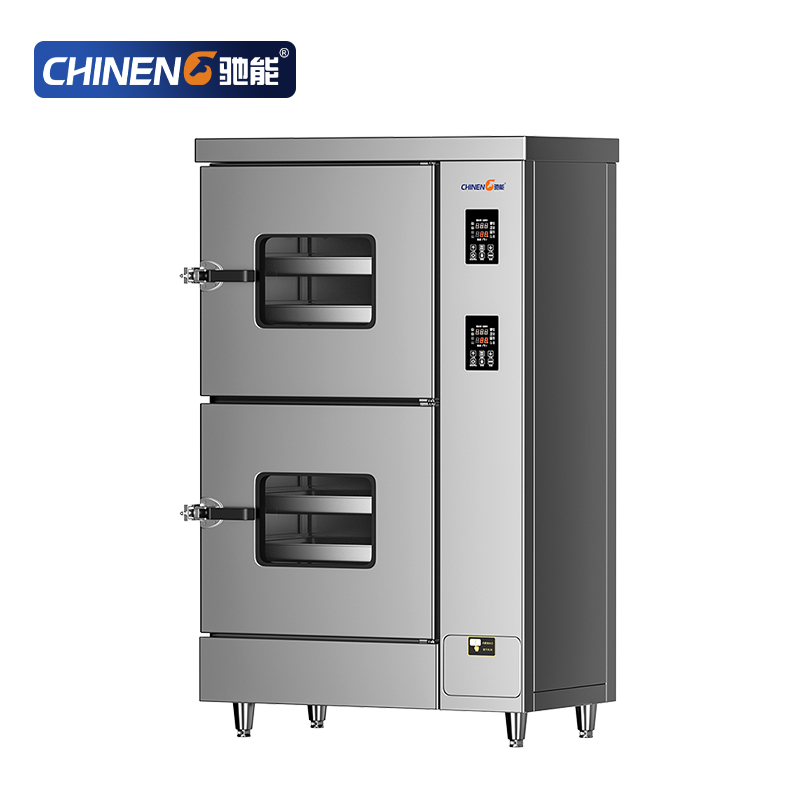
Smart multi-door steam cabinet
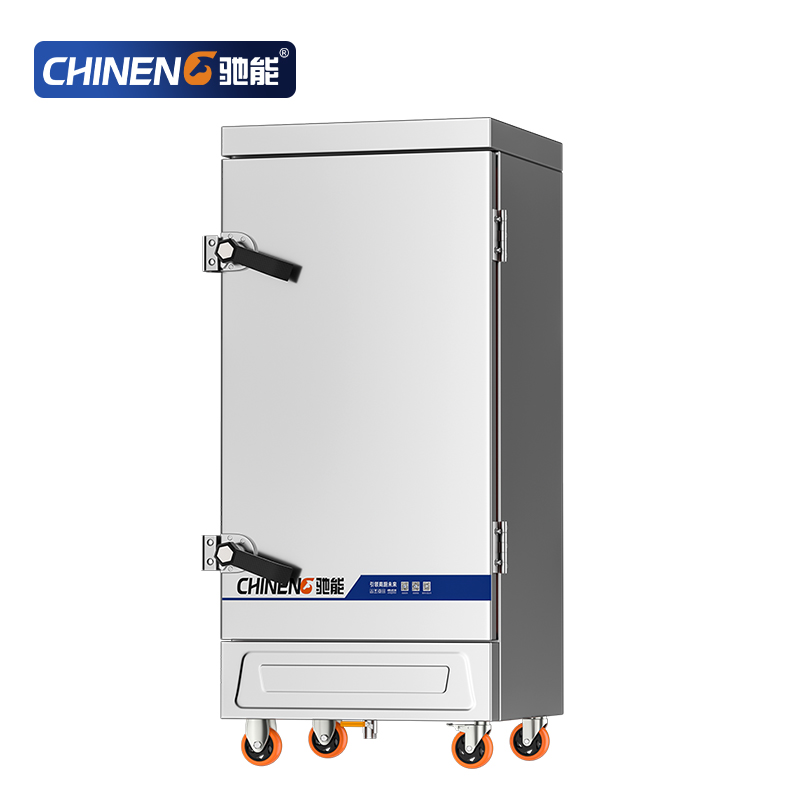
Rice Steamer [Startup Model]
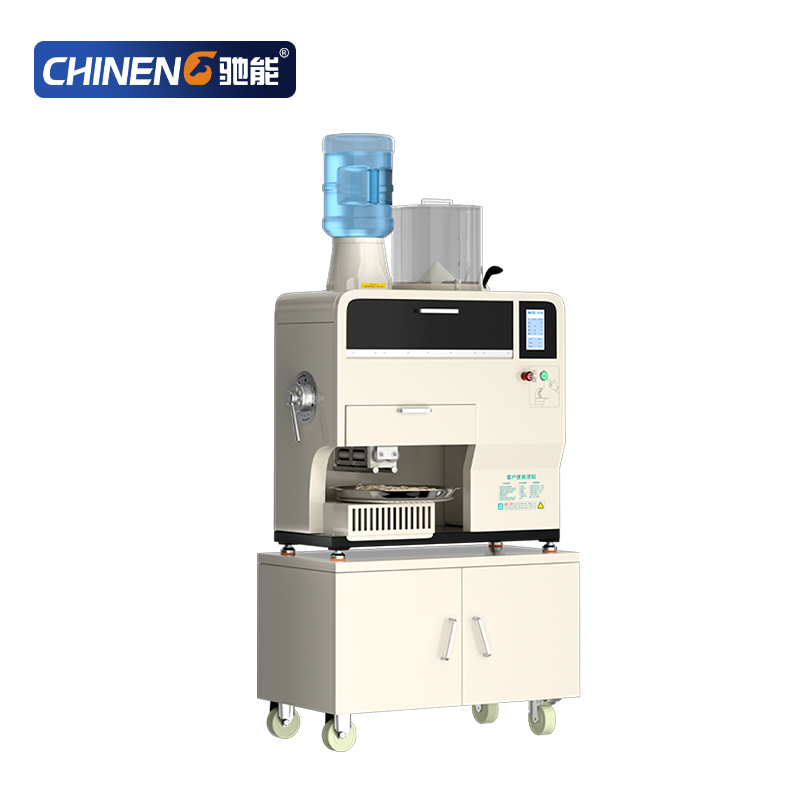
Fully automatic noodle machine
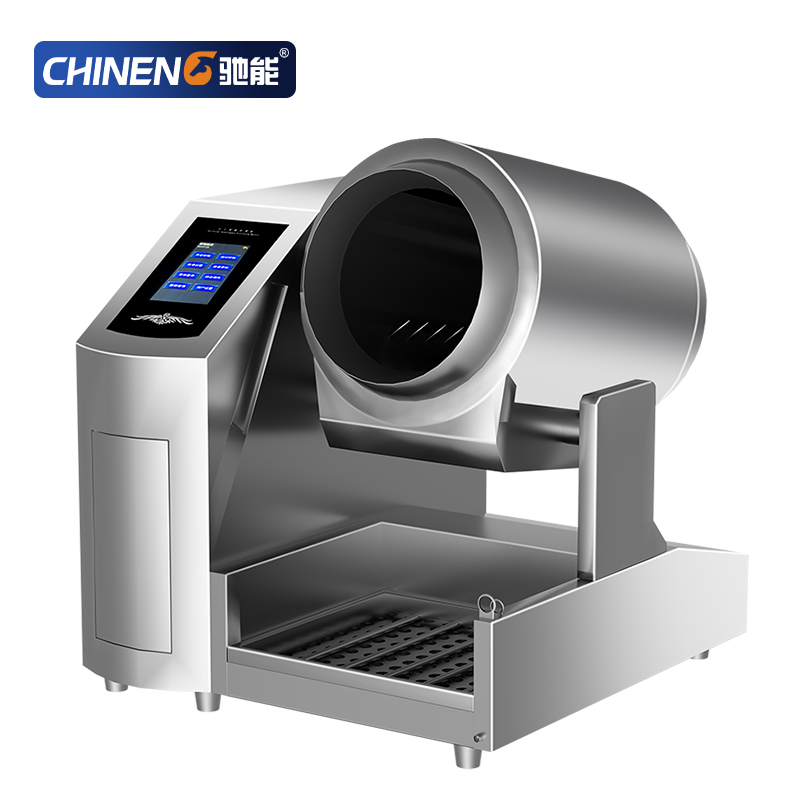
Canteen intelligent large automatic cooking machine
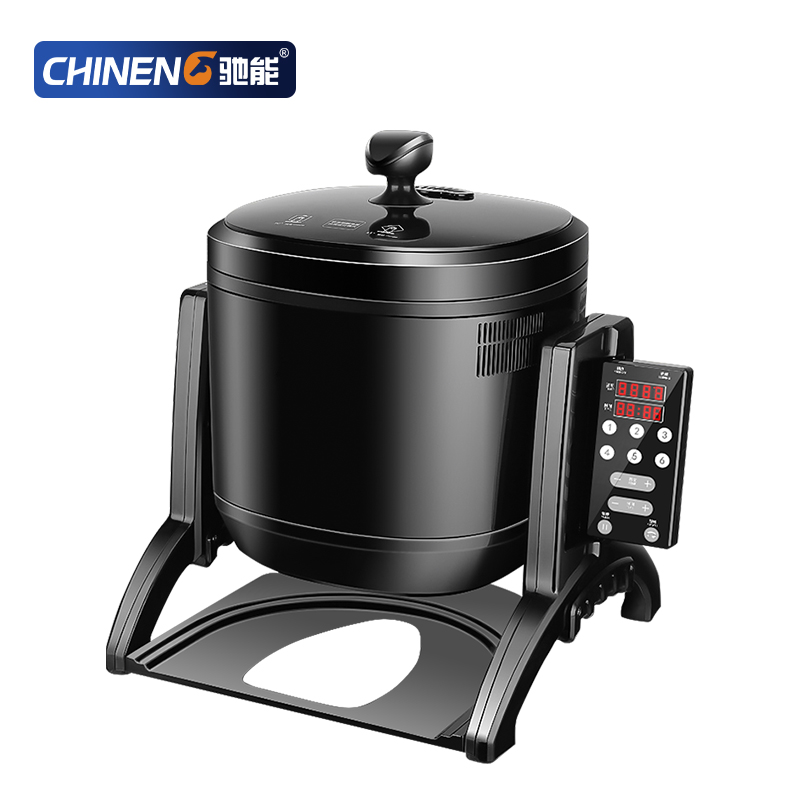
Small automatic cooking machine
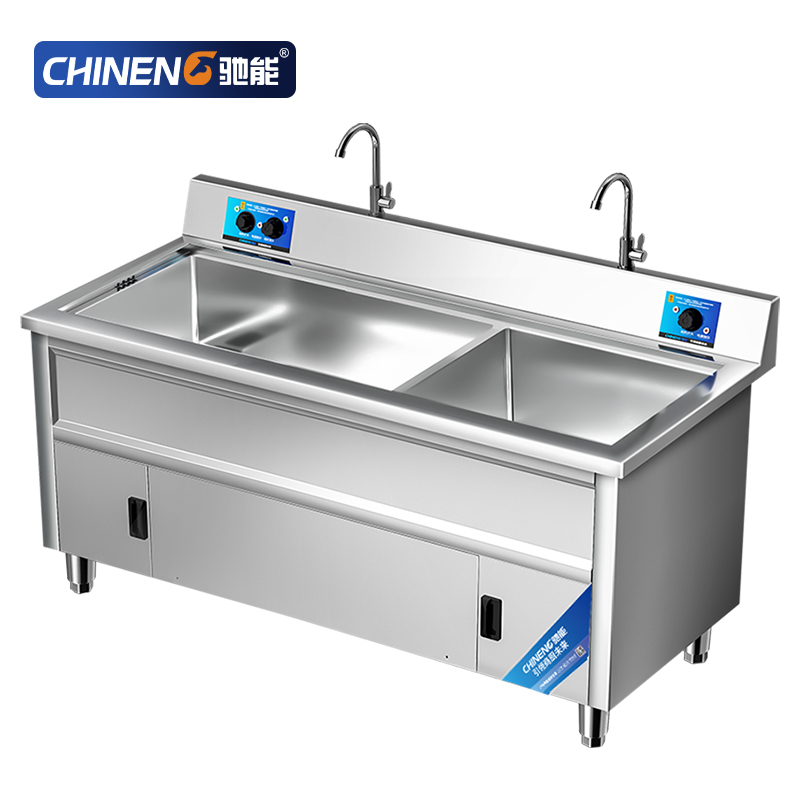
1.8m double tank ultrasonic dishwasher
Products


TikTok

China Chi Neng Commercial Kitchen
Group Address: Building 5, No. 1, Huyuewan District, Humen Town, Dongguan City, Guangdong Province, China
Factory Address: No. 10, Jingyeheng Road, Shibu Village, Liaobu Town, Dongguan City, Guangdong Province, China
Telephone:008615112885752
E-mail:kf@chineng55.com
Copyright ©2014-2026 Guangdong Jiushang Electronic Technology Co., Ltd.CHINENG Commercial Kitchen Equipment Manufacturer Factory
CHINENG Kitchen