In large-scale campus catering operations, high school canteens serving around 3,000 students consistently face challenges.Centralized meal service faces challenges such as high pressure, limited labor efficiency, inconsistent food quality, and difficulty in maintaining hygiene in the kitchen.These are the core pain points. The concentrated mealtimes between classes, the large demand for meals from teachers and students, the high workload in the kitchen, and the heavy pressure of cleaning and disinfecting tableware are common operational challenges for most ordinary high school canteens.
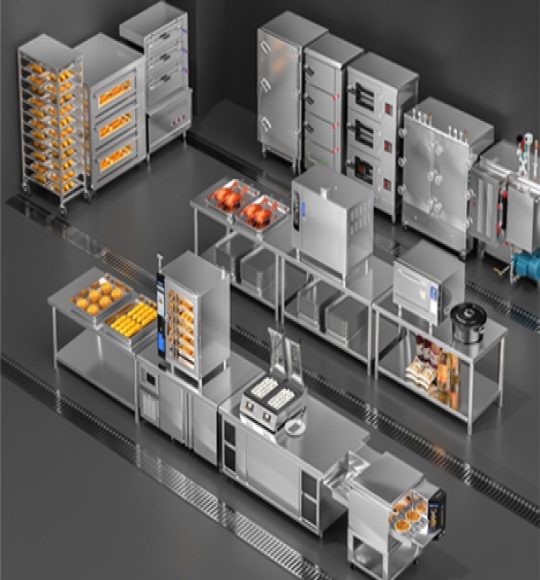
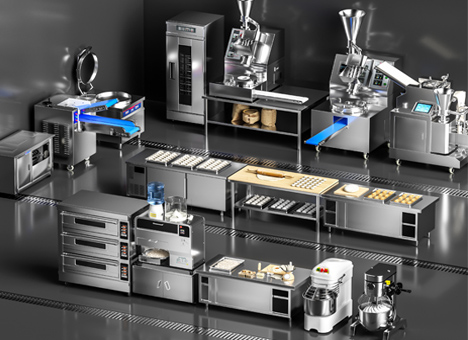
To thoroughly address the problems of high reliance on manual labor, low operational efficiency, and weak management in traditional canteens, Chineng Commercial Kitchen has developed a comprehensive canteen renovation solution for schools with a capacity of 1,000 students and teachers, suitable for 3,000 students and teachers. By introducing a full set of intelligent commercial kitchen equipment, such as fully automatic dishwashers, intelligent cooking machines, and intelligent rice serving machines, and combining this with standardized kitchen workflow optimization, the solution upgrades the entire process of canteen cooking, food preparation, and cleaning. This creates a modern, intelligent campus canteen that is efficient, safe, energy-saving, and standardized, providing a practical and replicable case study for the upgrading of canteens in primary and secondary schools.
I. Project Background: Core Pain Points of Traditional Canteen Operations
The high school cafeteria undergoing this renovation serves approximately 3,000 teachers and students, operating on a centralized dining model with frequent meal service (breakfast, lunch, and dinner) and high customer traffic. Before the renovation, the cafeteria used a traditional manual operation method, which had many unavoidable operational shortcomings:
1. Limited cooking efficiency: Traditional open-flame stoves rely on the chef's experience, resulting in inconsistent taste and doneness of dishes. Even with multiple staff working together during peak hours, it is still difficult to keep up with the speed of food preparation, which can easily lead to problems such as untimely food supply and poor food heat retention. At the same time, traditional stoves consume a lot of energy and produce a lot of oil fumes, making the kitchen work environment hot and greasy.
2. Severe congestion during meal service: During peak meal times, the queues for manual food service are congested and time-consuming, resulting in long waiting times for students. In addition, the portions served manually are uneven, which can easily lead to food waste or insufficient distribution. The labor costs are high and the margin for error is low.
3. High pressure on tableware disinfection: 3,000 people generate thousands of sets of tableware every day. Traditional manual cleaning has problems such as incomplete cleaning, non-standard disinfection, and inadequate drying. It not only consumes a lot of manpower and energy, but also poses food safety risks and is difficult to meet the high standards of hygiene requirements for campus catering.
4. Cumbersome kitchen management: Traditional kitchens have messy workflows, unclear functional zoning, non-standard manual operation procedures, high food and energy losses, and are difficult to supervise and trace, making them unsuitable for the compliant operation standards of modern school canteens.
II. Core Transformation Solution: Smart Devices Empowering the Entire Process Upgrade
Based on the high school's dining capacity of 3,000 students, the original spatial layout of the canteen, the daily meal service rhythm, and campus food safety standards, Chi Neng abandoned the homogeneous renovation model and focused on "improving efficiency, quality, energy saving, compliance, and reducing burden." It specifically configured a full set of intelligent commercial kitchen equipment, optimized the functional zoning and operation flow of the back kitchen, and realized the transformation of the canteen operation model from "manual-driven" to "intelligent and standardized-driven."
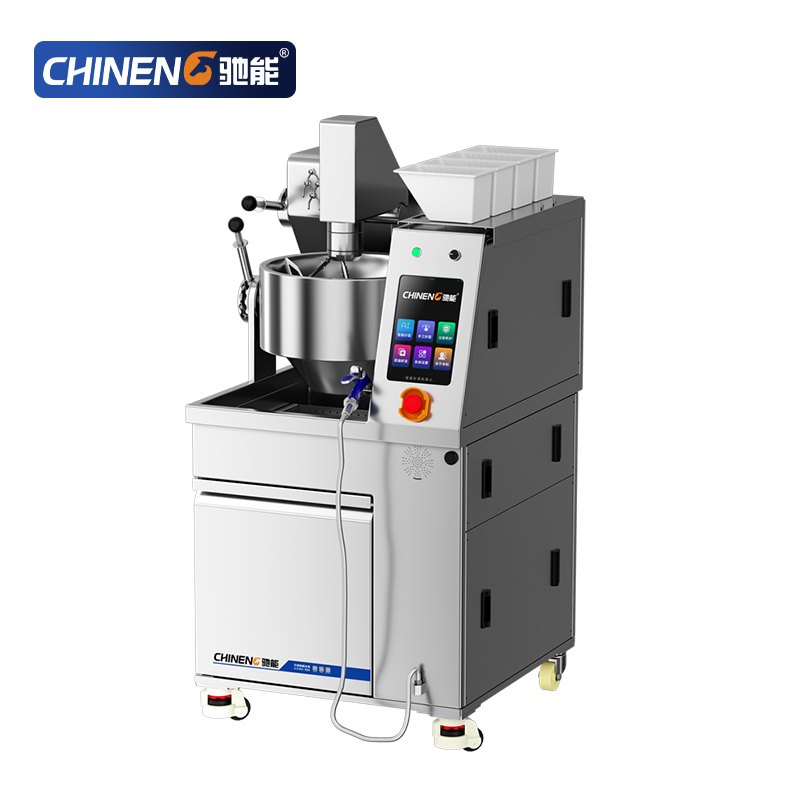
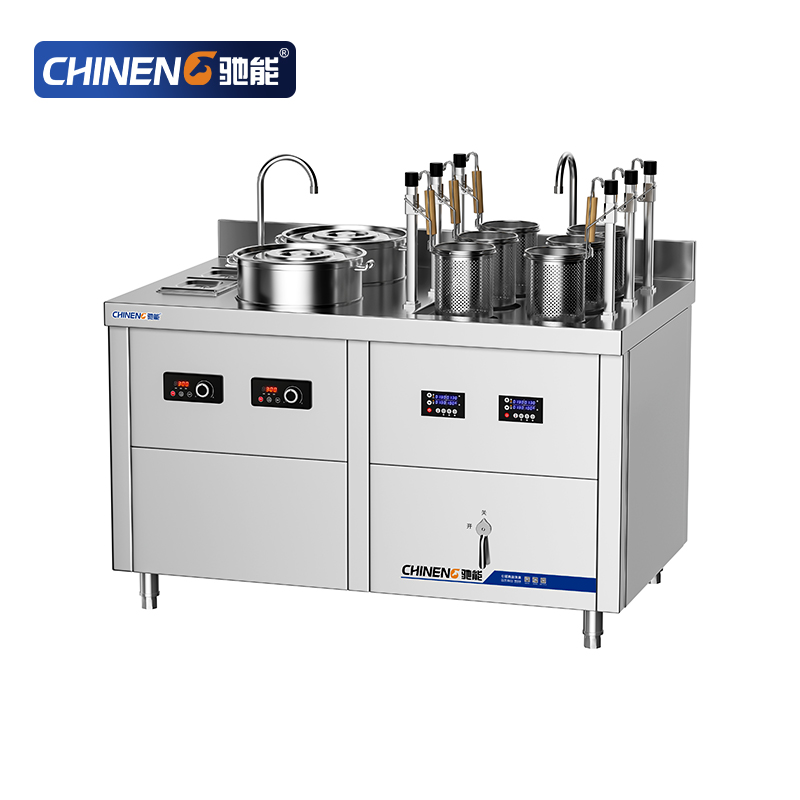
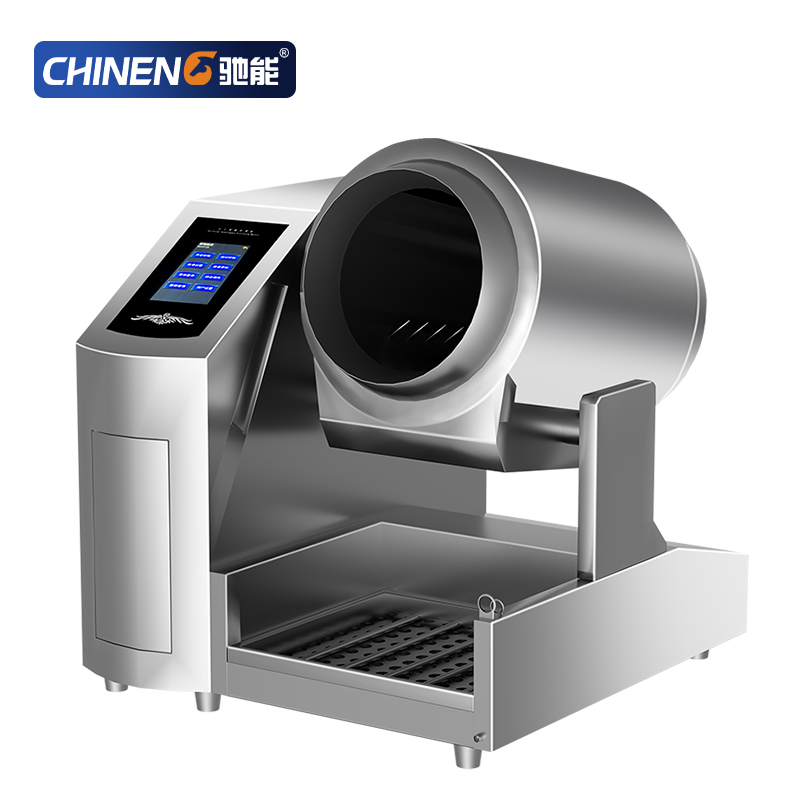
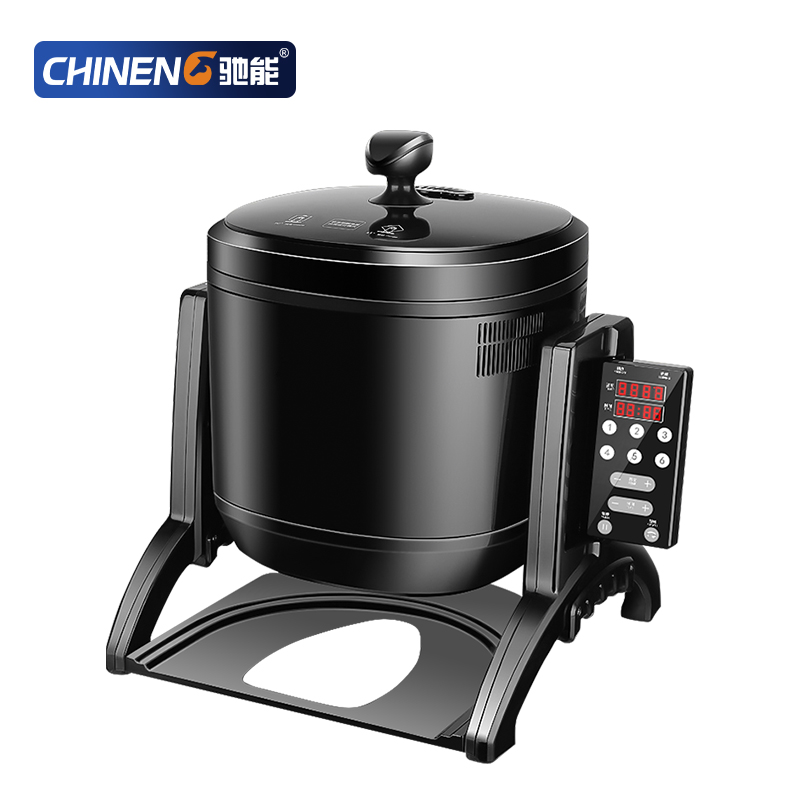
1. Intelligent cooking machine: Standardized cooking, stable efficiency, improved quality, and reduced energy consumption.
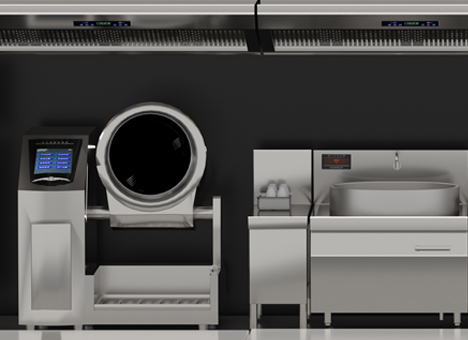
To address the needs of large-scale cooking in schools, canteens are deploying commercial intelligent stir-fry machines in large batches, adapting to the standardized cooking scenarios of meat and vegetable dishes and large-scale cooking in high school canteens. The equipment is equipped with an intelligent temperature control system and an automatic stir-fry program, with multiple sets of cooking parameters specifically for school dishes built-in. No experienced chefs are required to be on-site throughout the process; simply add ingredients and seasonings, and the equipment can automatically complete the entire process of stir-frying, temperature control, simmering, and serving.
Compared to traditional manual cooking, intelligent cooking machines effectively solve the problems of inconsistent flavor and uneven heat control, ensuring that each batch of dishes has a uniform taste and doneness, meeting the dietary needs of teachers and students. At the same time, the equipment operates without an open flame and boasts high thermal efficiency, significantly reducing gas and electricity consumption compared to traditional stoves, minimizing kitchen fumes, and improving the hot and greasy working environment in the kitchen. A single unit can efficiently cook large batches of food for hundreds of people, greatly alleviating cooking pressure during peak hours and reducing reliance on manual labor in the kitchen.
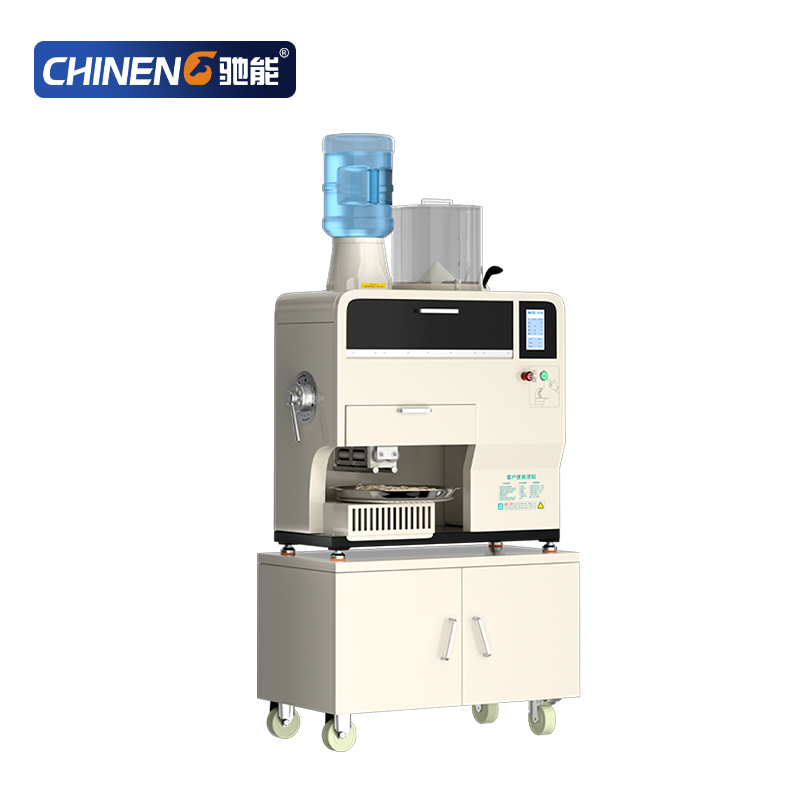
2. Intelligent Meal Serving Machine: Efficiently distributes meals, eliminating congestion and waste.
To address issues such as long queues, inefficient food service, and uneven portion sizes during peak meal times, the cafeteria has deployed multiple smart food dispensing machines, suitable for high-frequency meal service scenarios with 3,000 people dining together. The equipment supports precise quantitative dispensing, and the portion sizes can be flexibly adjusted according to the dining needs of teachers and students. The food service is fast and stable, eliminating the need for repeated manual scooping and weighing.
After the upgrade, students can quickly pick up their meals by swiping their cards or scanning codes, significantly reducing queuing time and completely changing the congested and chaotic situation of traditional manual meal service. Standardized and quantitative meal preparation effectively reduces food waste, precisely controls food loss for each meal, and replaces repetitive and tedious manual meal service, reducing the canteen's labor operating costs and making the meal preparation process more standardized, efficient, and orderly. The equipment has a built-in heat preservation function, which can maintain the appropriate temperature of rice and dishes for a long time, ensuring that teachers and students can eat hot meals at any time.
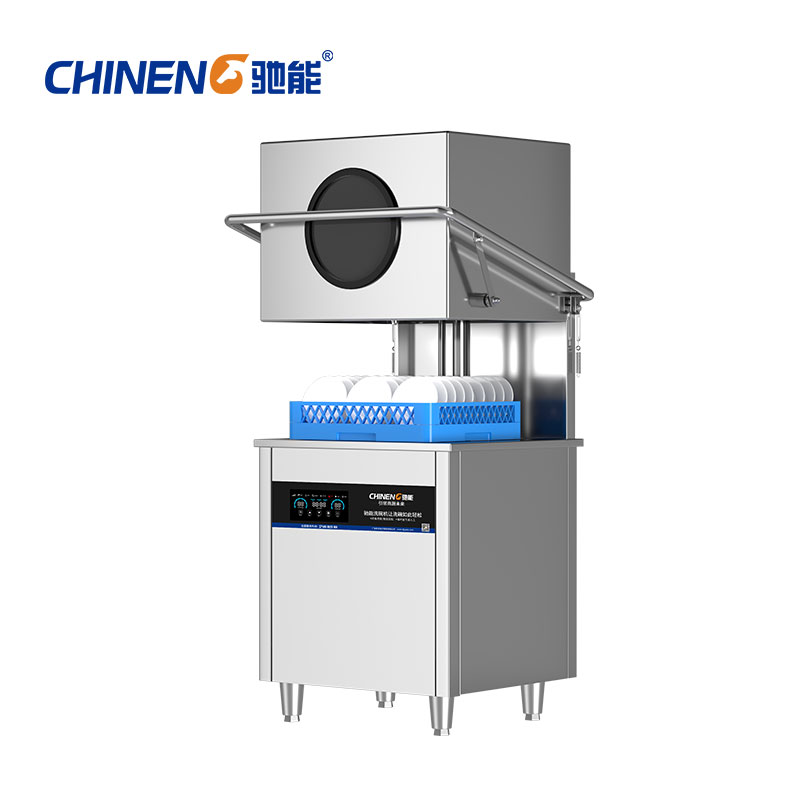
3. Fully Automatic Commercial Dishwasher: Closed-Loop Disinfection and Sterilization, Building a Solid Defense Line for Food Safety
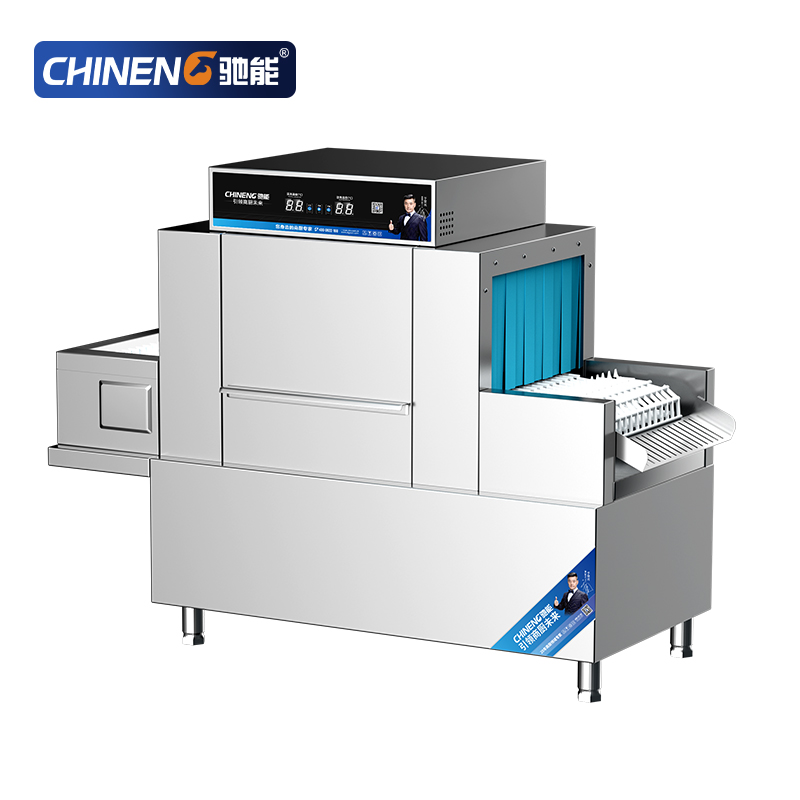
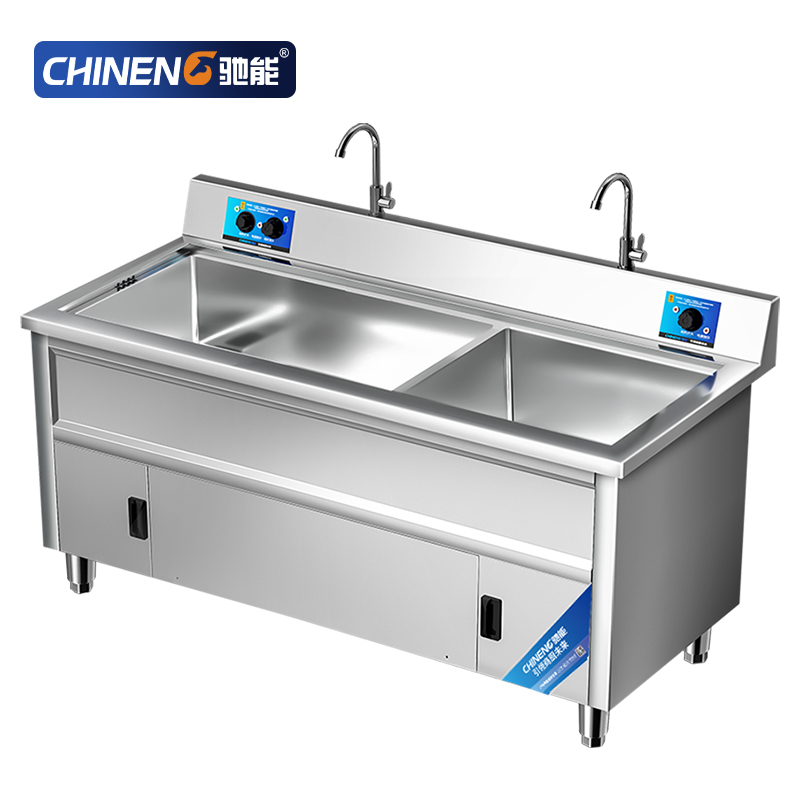
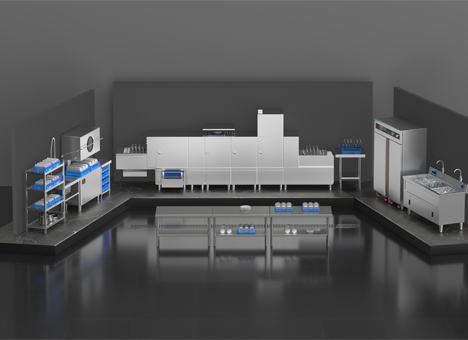
To address the immense pressure of cleaning and disinfecting tableware from 3,000 diners, the cafeteria is equipped with a large-capacity, fully automatic, channel-type dishwasher. This dishwasher is designed to meet the high-frequency, large-volume tableware processing needs of the campus, creating an integrated closed-loop process of "cleaning, spraying, high-temperature disinfection, drying, and antibacterial storage."
The equipment is equipped with a high-pressure, high-temperature spray system that thoroughly removes oil and residue from tableware surfaces. The high-temperature sterilization process strictly adheres to school catering food safety standards, effectively killing bacteria and microorganisms and eliminating the risk of cross-contamination. The entire process is automated, eliminating the need for repeated manual washing and handling. It can efficiently clean and sterilize thousands of sets of tableware daily, perfectly meeting the turnover needs of tableware for three meals a day. Simultaneously, the equipment saves water and electricity, significantly reducing water consumption compared to manual cleaning. The standardized and visualized cleaning and sterilization process helps the canteen pass routine food safety inspections, giving schools and parents greater peace of mind.
4. Supporting System Optimization: Improve the standardized operation system of the kitchen.
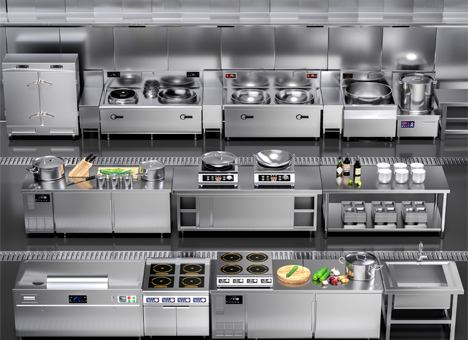
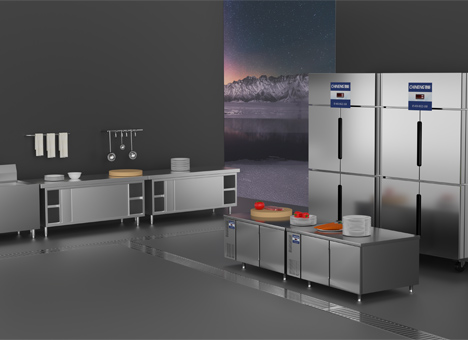
In addition to core intelligent equipment, this renovation also optimized the overall layout of the kitchen, refining the functional zoning of the preliminary processing area, cooking area, food preparation area, washing and disinfection area, and storage area, and streamlining the unidirectional work flow to avoid problems such as cross-operations and chaotic workflow. It also upgraded energy-saving fume extraction, constant temperature insulation, and food refrigeration equipment, linking them to the "transparent kitchen" visual monitoring system to achieve full transparency and traceability of kitchen operations, comprehensively improving the standardization and normalization of the canteen's operations.
III. Implementation Results: Real Implementation and Visible Effectiveness
After the renovation of this 3,000-student high school cafeteria was completed and put into use, long-term routine operation has verified that the overall operational efficiency, food quality, hygiene standards, and energy costs have all been significantly optimized. The results are in line with the actual operational needs of the school, with no exaggerated claims and only real effectiveness.
1. Operational efficiency has been greatly improvedIntelligent equipment replaces a large number of repetitive manual operations, making the allocation of kitchen staff more streamlined and reasonable. The efficiency of the entire process of cooking, serving, and disinfection is improved by more than 50%, which is fully adapted to the centralized meal service rhythm of 3,000 people. There are no problems of delayed meal service or queuing congestion during peak periods, and the dining experience of teachers and students is greatly upgraded.
2. Food quality is stable and controllableThe intelligent cooking machine standardizes cooking, completely solving the problems of taste differences and uneven heat control in manual cooking. The nutrition and taste of the dishes are more stable, and the heat preservation equipment keeps the temperature for a long time, ensuring that every meal is fresh and warm, significantly improving the satisfaction of teachers and students.
3. Strengthen food safety in all aspectsThe dishwasher's closed-loop high-temperature sterilization, the kitchen's visual monitoring, and the zoned standardized operations all avoid potential safety hazards throughout the entire process from food processing to tableware sterilization, significantly improving food safety compliance and enabling the school to successfully pass various levels of catering hygiene inspections, thus strengthening the school's food safety defense line.
4. Significant cost reduction and energy saving effectsSmart equipment consumes less energy and results in less food waste. Automated operations reduce labor costs, and long-term operation can help schools save a lot of money on manpower, water and electricity, and food waste. At the same time, it reduces the maintenance cost of kitchen equipment, making it a cost-effective option.
5. The work environment has been fully optimized.The flameless intelligent equipment and efficient smoke extraction system completely improve the problems of high temperature, heavy oil fumes, and dirt and disorder in traditional kitchens, providing kitchen staff with a comfortable, safe and clean working environment.
IV. Conclusion: Practical Smart Transformation Adapted to Campus Scenarios
Unlike smart upgrades that prioritize hype, Chineng's renovation of a 3,000-student high school cafeteria has always focused on campus catering.High frequency, centralized, standardized, and secureThe core attribute is to focus on the implementation of essential equipment, without piling on redundant functions or exaggerating the effects of upgrades. It effectively solves the operational pain points of traditional school canteens through the reasonable combination and scenario-based adaptation of mature commercial smart equipment such as cooking machines, rice serving machines, and dishwashers.
In the future, Chineng will continue to focus on the campus commercial kitchen sector, creating more practical, efficient, energy-saving, and compliant smart canteen renovation solutions for the differentiated needs of primary and secondary schools and university canteens of different sizes. With professional commercial kitchen equipment and one-stop engineering services, Chineng will help upgrade the standardization and intelligence of campus catering across the country, and safeguard the safe dining of thousands of teachers and students.