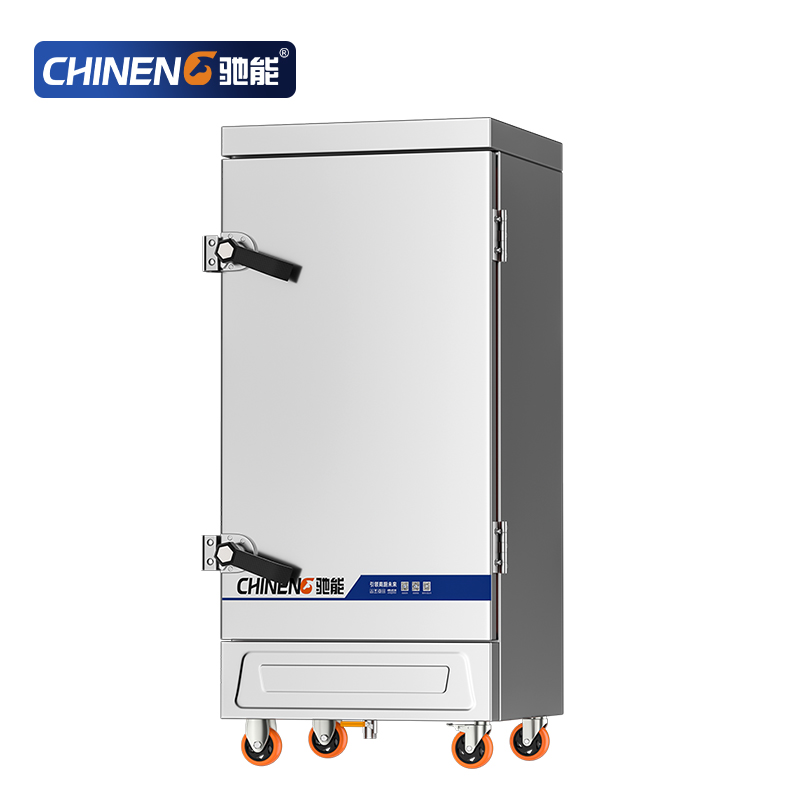
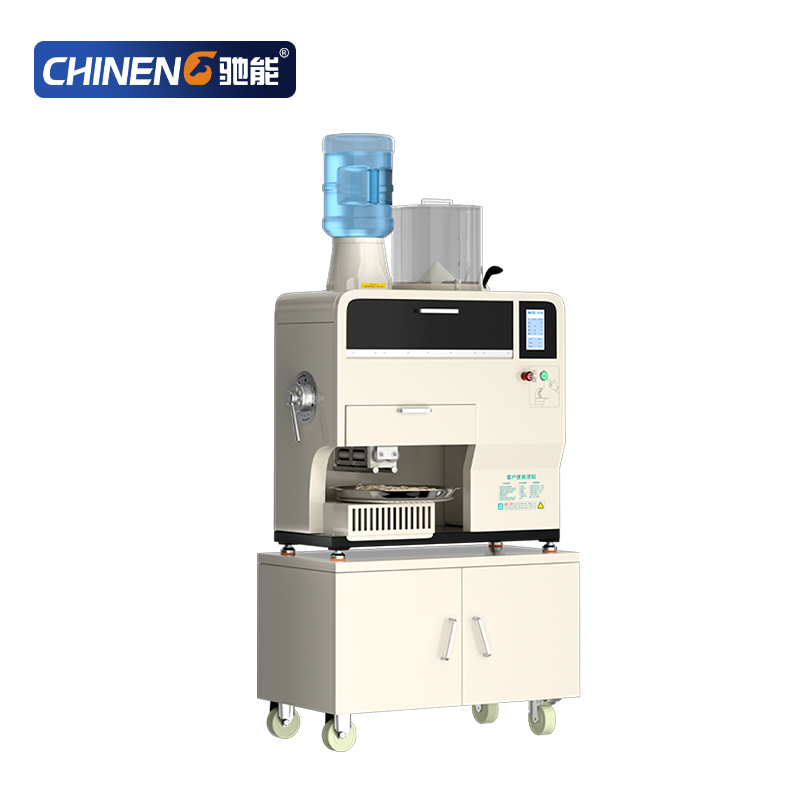
The junior high school stage is a critical period for the growth and development of adolescents. The quality of food, food safety, and efficiency of school canteens directly affect the health of thousands of students and the quality of school logistics support. For junior high schools with around 2,000 students, traditional canteens generally suffer from many problems, such as high labor intensity in the kitchen, inconsistent food taste, inadequate disinfection of tableware, heavy pressure on peak hours, and heavy oil fumes in the kitchen environment, making them difficult to adapt to the logistics management standards of modern schools.
Addressing the operational challenges of school canteens serving thousands of students, Chineng Commercial Kitchens, based on the characteristics of the school catering scenario and tailored to the safety standards, meal service schedules, and operational needs of middle school canteens, has completed intelligent upgrades for the canteens of several middle schools with a capacity of 2,000 students. By configuring fully automatic cooking machines, commercial dishwashers, and other complete sets of intelligent commercial kitchen equipment, and optimizing the kitchen workflow and functional zoning, the canteens have achieved intelligent upgrades without ostentatious renovations or blind upgrades.Efficient catering, cost reduction and quality improvement, green and energy-savingA comprehensive upgrade will be implemented to create a standardized smart canteen model suitable for the routine operation of primary and secondary schools.
I. Project Background: Core Operational Pain Points of Traditional Canteens
The renovation project targets a full-time junior high school with approximately 2,000 students and staff. The canteen serves breakfast, lunch, and dinner daily, with the lunch peak being the core service period, requiring the simultaneous service of thousands of meals within a short timeframe. Before the renovation, the canteen operated under a traditional manual kitchen model, facing four major operational challenges:
1. Meal service efficiency is limited, and the workload is extremely heavy.All three meals rely on manual stir-frying and preparation. During peak periods, kitchen staff are overworked. Even with all staff on duty, problems such as slow food preparation and insufficient food stock can still occur, making it difficult to keep up with the pace of 2,000 people dining together. At the same time, manual cooking takes a long time, resulting in high labor costs in the kitchen.
2. Inconsistent food quality and difficulty in controlling nutritionManual cooking is greatly affected by the chef's experience and condition. The taste, saltiness, and cooking time of the same dish vary from day to day, making it difficult to meet the standardization requirements of school meals and to consistently guarantee the nutrition and taste of student meals.
3. Inadequate disinfection procedures pose significant food safety risks.Traditional manual dishwashing can only perform a simple rinse, resulting in frequent problems such as oil residue and incomplete disinfection. Furthermore, it lacks a unified drying and storage process, making the tableware extremely susceptible to bacterial growth and failing to meet the campus food safety traceability management standards.
4. The kitchen environment was poor, and energy was wasted in large quantities.Traditional open-flame cooking produces a lot of oil fumes and heats up quickly, resulting in a hot and noisy kitchen environment. At the same time, the equipment consumes a lot of energy, and there is a lot of food waste. The overall level of operational refinement is low, which does not meet the requirements of green logistics construction on campus.
II. ChiNeng Transformation Solution: Tailored to the Campus Environment, Precisely Addressing Operational Pain Points
Based on the school's dining capacity of 2,000 students, kitchen layout, daily food categories, and school food safety management standards, Chi Neng abandoned overly intelligent and redundant designs. With "practicality, efficiency, compliance, and ease of operation and maintenance" as the core principles, it customized an exclusive commercial kitchen upgrade solution, focusing on upgrading the two core modules of cooking and disinfection, optimizing the overall kitchen operation process, and adapting to the high-frequency, centralized, and standardized operational needs of the middle school canteen.
(I) Intelligent cooking upgrade: Fully automatic cooking machine to achieve standardized mass production of dishes
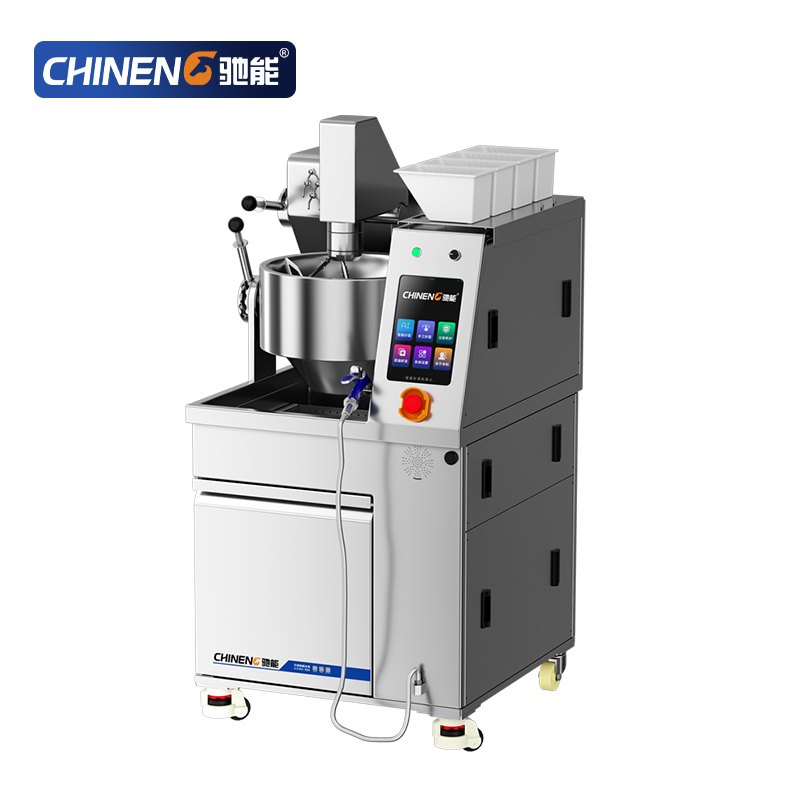
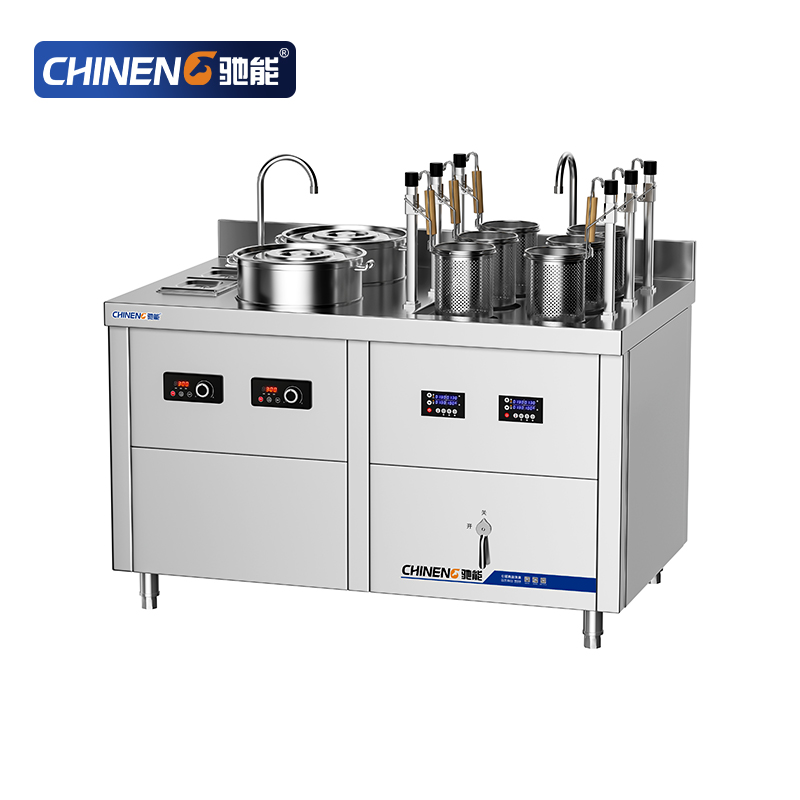
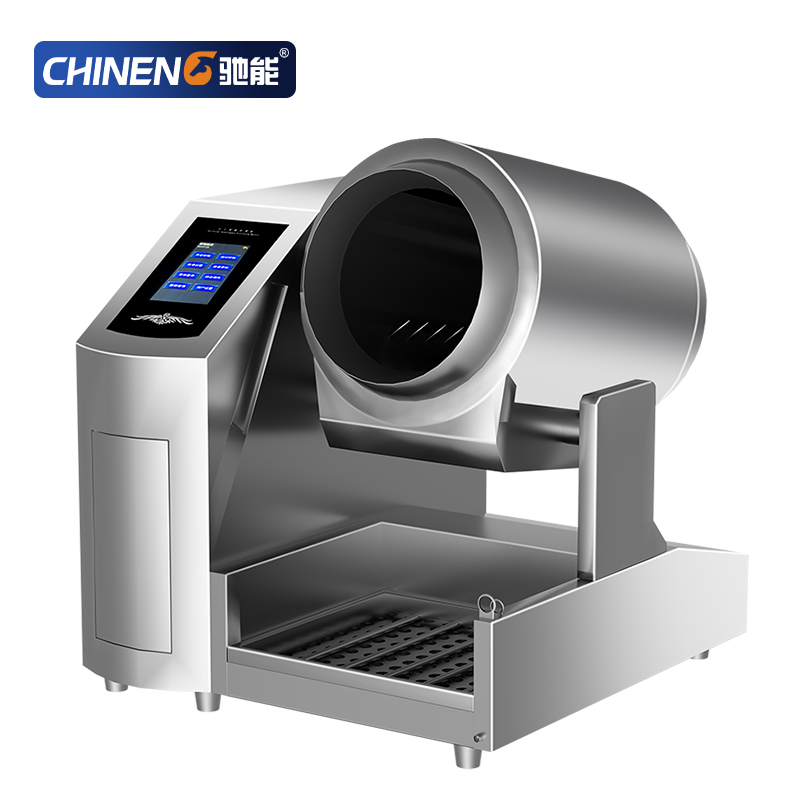
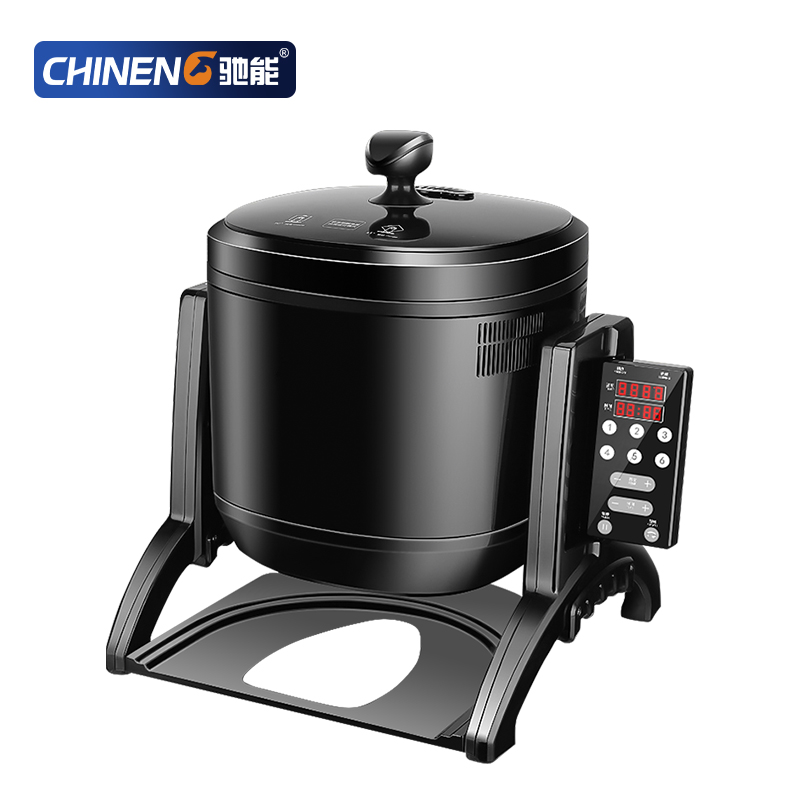
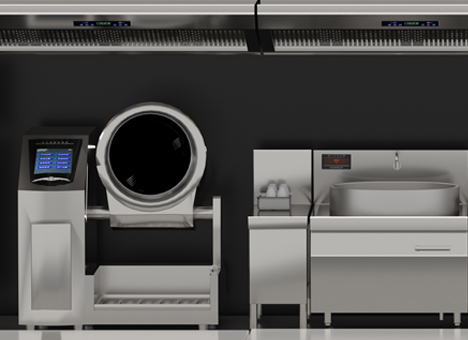
For the scenario of preparing large-scale meals on campus, the cafeteria is equipped with [equipment/facilities].Chineng Fully Automatic Commercial Cooking MachineThis equipment completely replaces the traditional manual wok-stirring method, perfectly meeting the batch production needs of middle school canteens for home-style dishes and nutritious meals. It features an integrated design of intelligent temperature control, automatic stirring, and precise ingredient feeding. Based on preset school-specific recipe programs, it can accurately control cooking temperature, time, and stirring frequency.
A single machine can prepare meals for hundreds of people at once, and a standard large pot of food can be cooked in 3-5 minutes. Multiple machines working together can prepare all the dishes for lunch for 2,000 people in half an hour, increasing the efficiency of food preparation by more than 3 times compared to traditional manual methods. All dishes are standardized in taste, saltiness, and doneness, completely solving the problem of inconsistent quality in manual cooking and meeting the light and healthy dietary needs of teenagers.
Meanwhile, the equipment adopts a smokeless, enclosed cooking design, significantly reducing kitchen fume emissions and optimizing the kitchen working environment. Its intelligent energy-saving mode precisely controls energy consumption, reducing energy consumption by more than 20% compared to traditional open-flame stoves, and effectively reducing food waste during stir-frying, helping schools reduce costs and increase efficiency. The equipment is simple to operate, with one-button start/stop, requiring no professional chefs. Ordinary logistics staff can learn to use it after simple training, greatly reducing the canteen's reliance on manual labor and labor costs.
(II) Intelligent Washing and Disinfection Upgrade: Commercial Dishwashers, Building a Closed-Loop Food Safety System
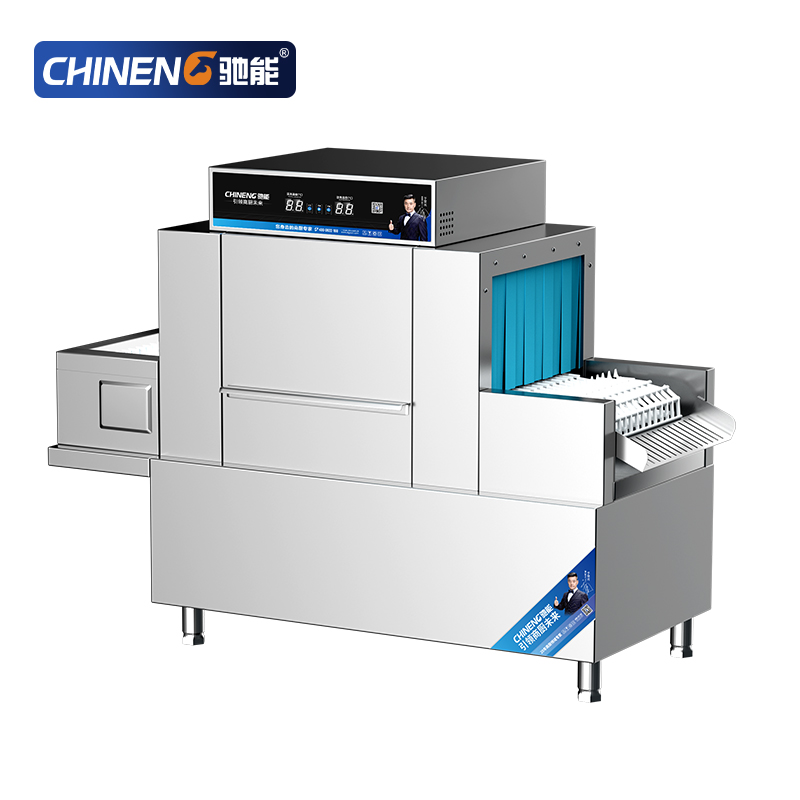
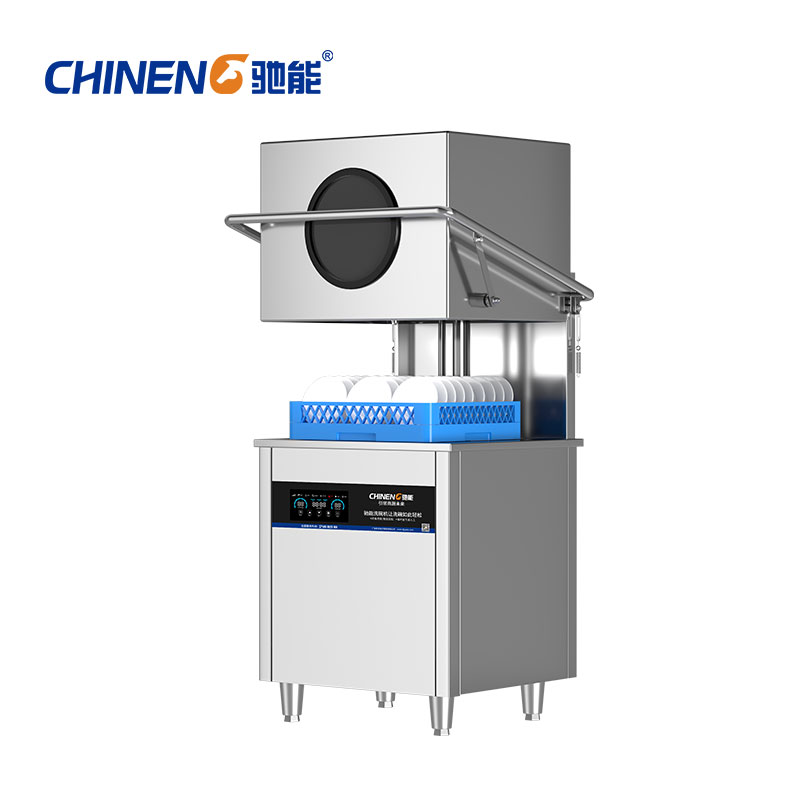
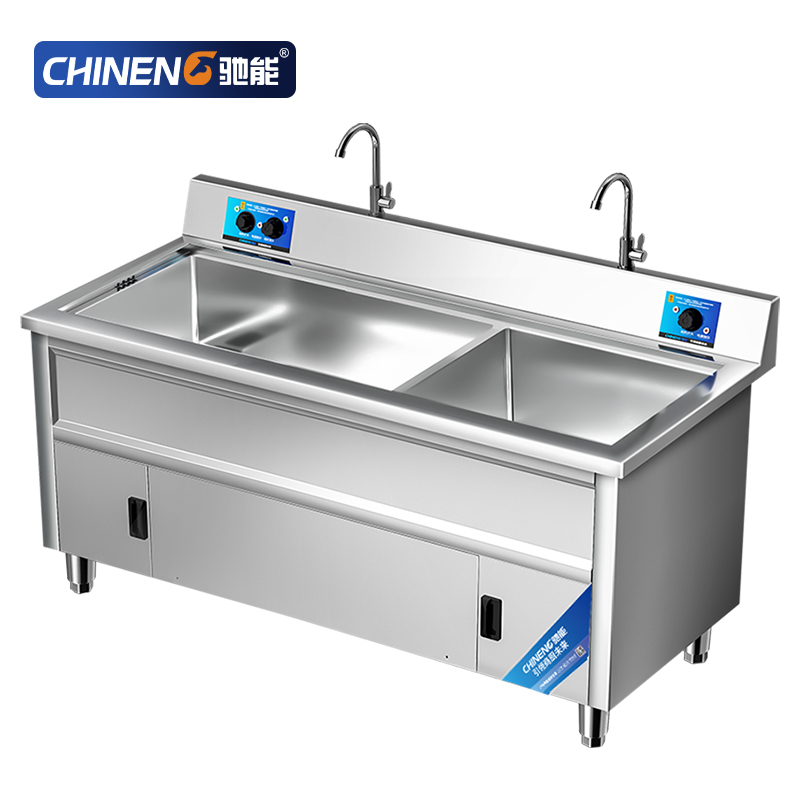
Cleaning and disinfecting tableware is a crucial step in ensuring food safety on campus, and also a weak point in traditional canteens. This renovation will equip...Chineng Fully Automatic Commercial DishwasherIt is designed to meet the large-scale tableware cleaning needs of a canteen serving 2,000 people, creating an integrated closed-loop process of "recycling-rinsing-high-temperature cleaning-drying-disinfection-storage".
The equipment employs high-temperature, high-pressure spray cleaning technology, with water temperatures reaching over 85℃. This thoroughly removes grease and residue from plates, bowls, and chopsticks, simultaneously performing high-temperature sterilization and hot air drying. This effectively kills bacteria, E. coli, and other microorganisms, achieving a 100% sterilization pass rate and fully complying with food safety testing standards for primary and secondary schools. The entire process is fully automated, eliminating the need for repeated manual wiping and rinsing. It can efficiently process over a thousand sets of tableware per hour, easily meeting the peak tableware turnover needs during mealtimes.
Compared to traditional manual dishwashing, the Chineng commercial dishwasher not only completely eliminates the safety hazards of residue and incomplete disinfection caused by manual washing, but also saves a significant amount of water and manpower, resulting in substantial daily water and electricity savings. The washed and dried tableware can be directly stored in the warehouse to avoid secondary contamination. The entire process is traceable and monitorable, perfectly meeting the requirements for transparent kitchens in schools, ensuring peace of mind for teachers, students, and parents.
(III) Overall circulation optimization to adapt to compliant campus operations
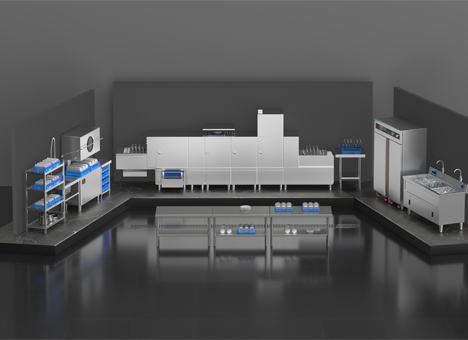
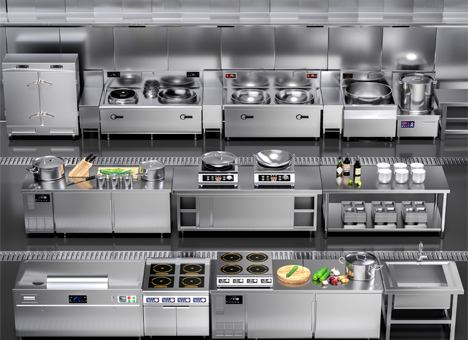
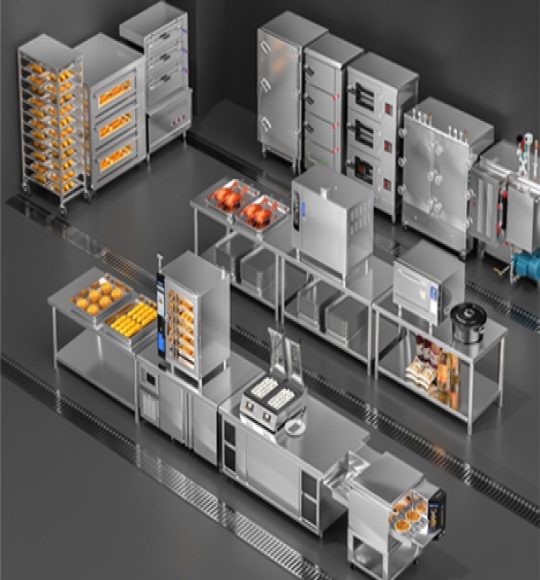
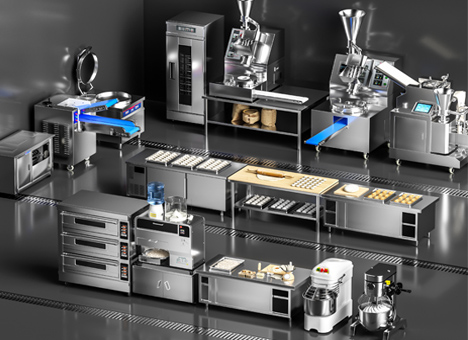
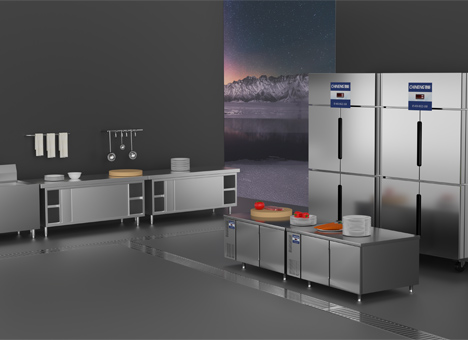
Beyond upgrading core equipment, Chineng, in accordance with campus canteen food safety management standards, redesigned the kitchen's functional zones, dividing it into independent areas such as a food pre-processing area, an intelligent cooking area, a washing, disinfection, and storage area, and a food preparation and sample retention area. This allows for separate operations and smooth workflow in food processing, cooking, and washing/disinfection processes, effectively preventing cross-contamination. Simultaneously, the kitchen's ventilation, smoke extraction, and wastewater treatment systems were optimized, completely eliminating the traditional "smoky, stuffy, and humid" conditions of a kitchen and creating a clean, standardized, and compliant modern kitchen environment.
III. Implementation Results of the Reform: Improving Quality and Efficiency, and Strengthening the School Food Supply Line
After the completion of the intelligent transformation of the Chi Neng commercial kitchen, the junior high school canteen with a capacity of 2,000 people has achieved a comprehensive upgrade. The implementation effect is in line with the actual operation needs of the school. Without any gimmicks, it effectively solves the pain points of traditional canteens and has won unanimous recognition from the school, teachers, students and parents.
1. Meal service efficiency has been greatly improved, making it more suitable for peak dining times.The intelligent cooking equipment works in tandem to completely solve the problems of slow food service and insufficient stock during peak hours. 2,000 students can eat quickly and in an orderly manner, greatly reducing queuing time and adapting to the tight schedule of the campus.
2. Standardized food quality leads to healthier diets.The standardized intelligent cooking mode ensures consistent taste and balanced nutrition in daily dishes. The low-oil and low-salt cooking mode is more in line with the growth and development needs of teenagers, effectively improving students' dining satisfaction.
3. Food safety safeguards are fully strengthened, and compliance and traceability are ensured.The fully automated high-temperature washing and disinfection process standardizes and normalizes the disinfection of tableware, eliminating food safety hazards at the source of tableware, and is fully compatible with the campus food safety supervision and traceability system, significantly improving compliance.
4. Significant results in cost reduction and efficiency improvement, making operation and maintenance more worry-free.Intelligent equipment replaces a large number of manual operations, significantly reducing the labor costs and intensity of manual labor in the canteen; at the same time, the energy-saving and consumption-reducing design reduces water, electricity and food waste, and has outstanding cost performance in the long term. The equipment is easy to operate, has a low failure rate, and is suitable for the long-term stable operation and maintenance needs of schools.
5. The kitchen environment has been fully upgraded, and management is more standardized.The clean, smoke-free, and intelligent kitchen environment optimizes the working conditions for logistics staff. At the same time, the standardized zoning operation mode helps the canteen achieve refined and standardized management and improves the overall service quality of campus logistics.
IV. Summary
The core of operating a junior high school cafeteria with a capacity of 2,000 students lies in...Stable, efficient, secure, and compliantChineng's latest school cafeteria renovation project avoids the industry's pitfalls of excessive and superficial intelligent upgrades. Based on the real-world operational scenarios of primary and secondary school cafeterias, it focuses on intelligent cooking machines and commercial dishwashers. Through precise and adaptable upgrades to commercial kitchen equipment and process optimization, it effectively addresses the core pain points of traditional school cafeterias: low efficiency, inconsistent quality, weak food safety, and high costs.
In the future, Chineng will continue to deepen its involvement in the commercial kitchen sector for schools, focusing on the differentiated needs of school canteens of different sizes, such as primary and secondary schools and universities. It will continuously optimize intelligent commercial kitchen equipment and overall solutions, and with pragmatic technology, reliable products, and scenario-appropriate services, help more school canteens complete the standardization and intelligent upgrade, safeguard the "food safety on the tip of the tongue" of young people with technology, and empower the high-quality development of school logistics.