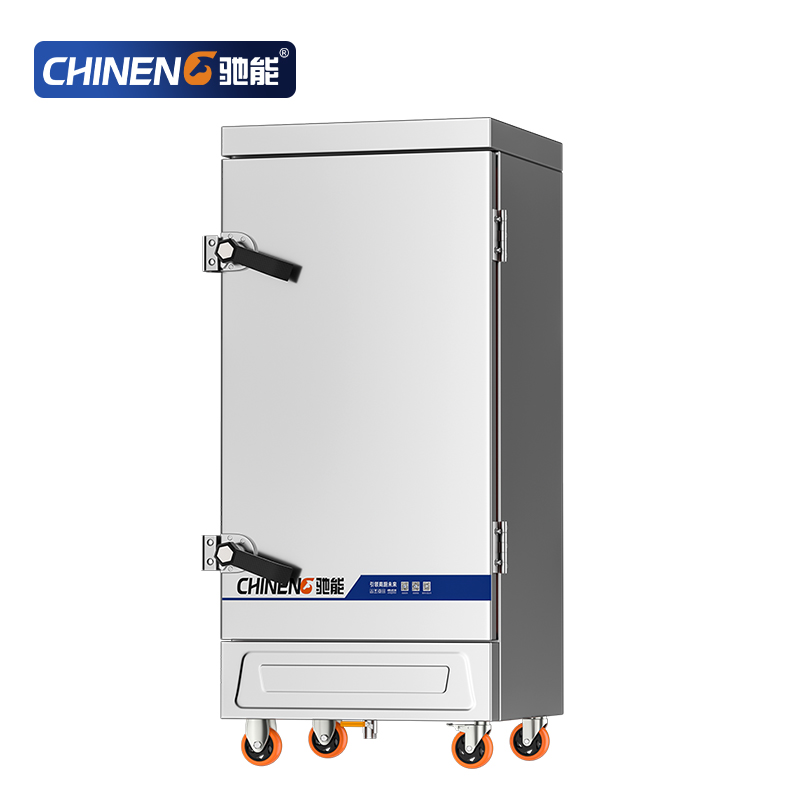
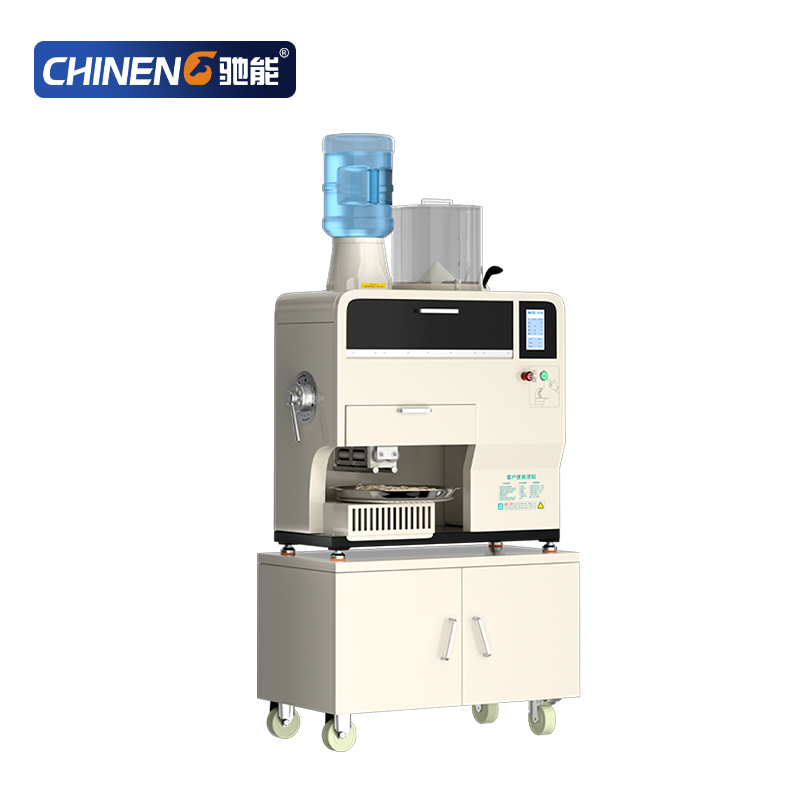
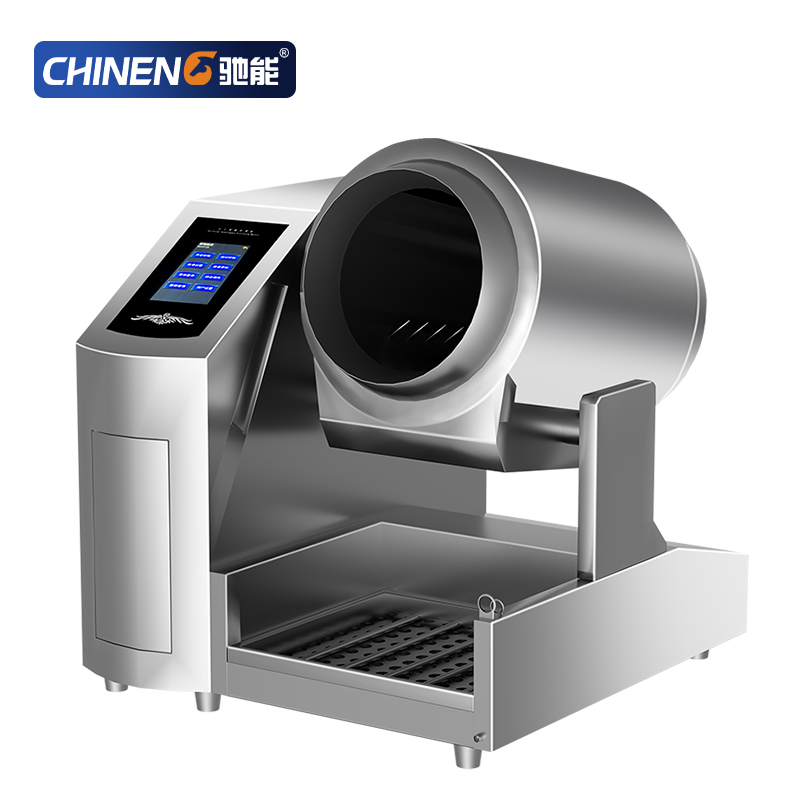
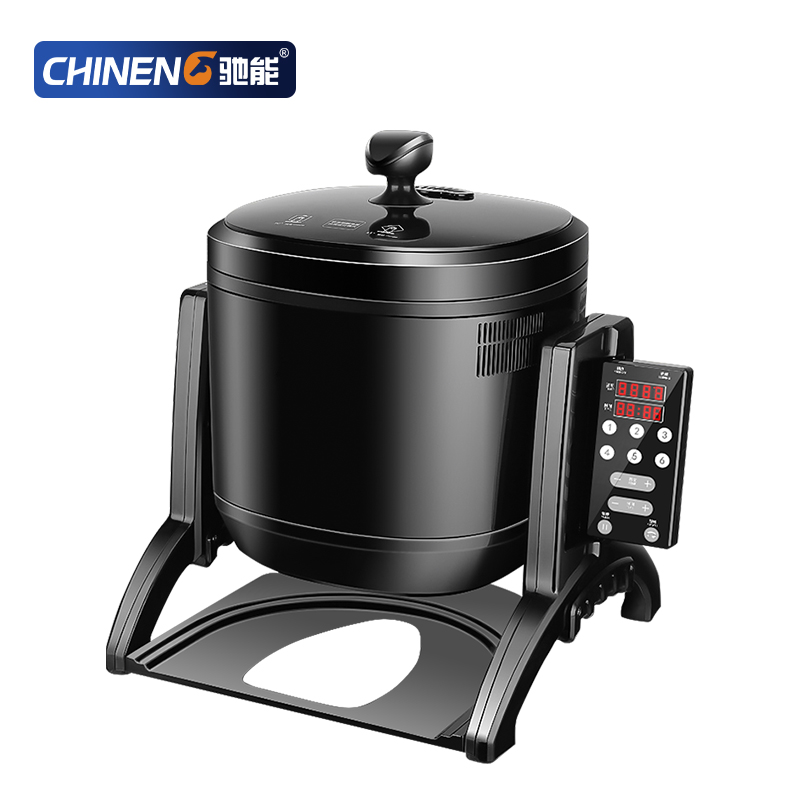
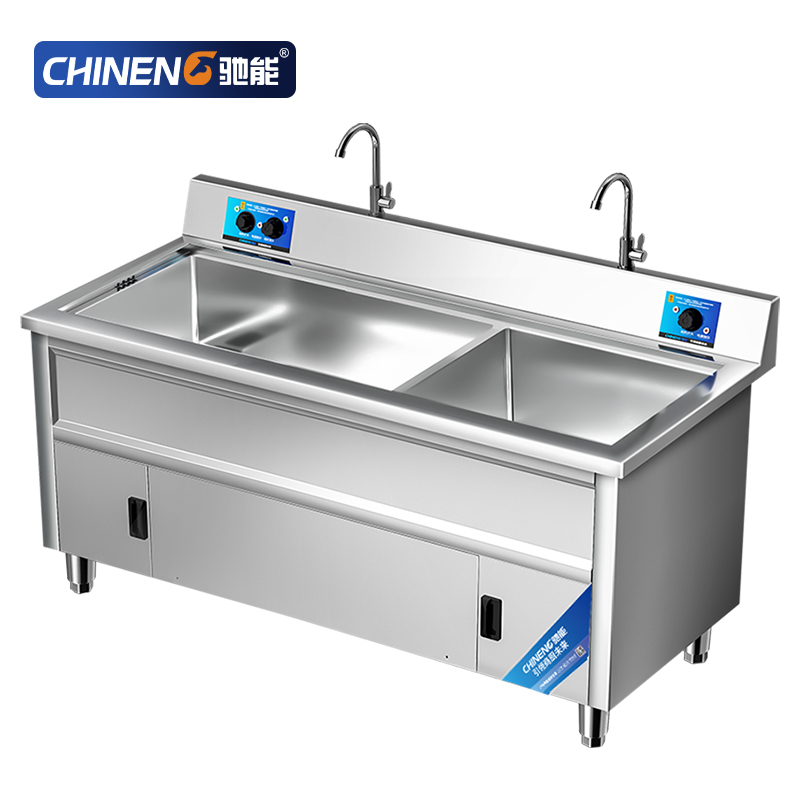
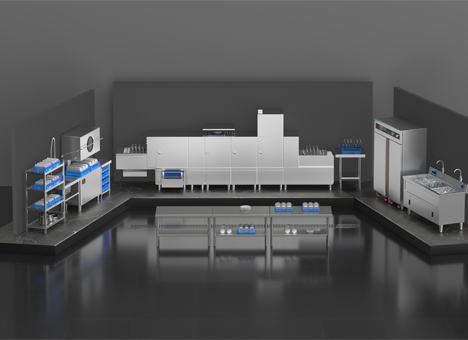
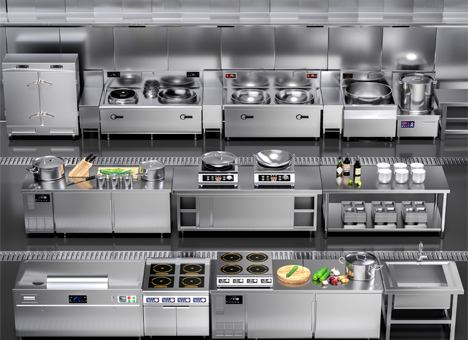
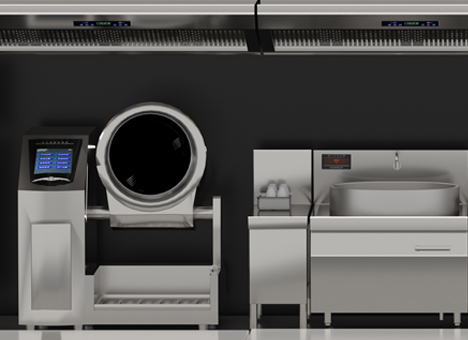
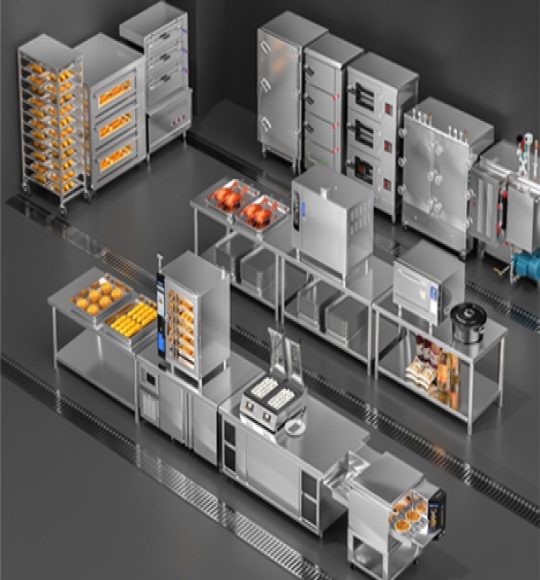
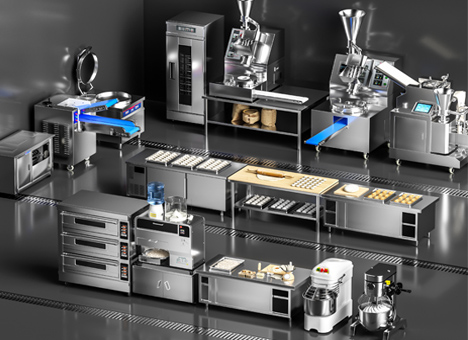
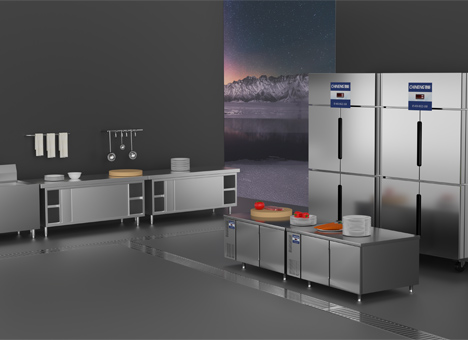
Chineng's university cafeteria renovation project abandons conceptual and gimmicky upgrades, focusing entirely on the real operational scenarios on campus.Improve quality, increase efficiency, reduce costs, and comply with regulations.With this as the core objective, a complete set of intelligent commercial kitchen equipment, including multi-functional steam ovens, intelligent cooking machines, intelligent rice serving machines, and fully automatic dishwashers, will be deployed to optimize the functional zoning and workflow of the back kitchen, and to build a standardized, controllable, and replicable smart kitchen system, providing a practical and feasible model for the upgrading of university canteens with thousands of students.
I. Project Overview and Pain Points of Renovation
This renovation of the cafeteria will serve approximately 3,000 students and faculty members, providing regular breakfast, lunch, and dinner, while also adapting to diverse dining needs such as specialty light meals, flavorful dishes, and snacks. Before the renovation, the cafeteria used a traditional manual cooking, serving, and disinfection system, with clearly identified core challenges:
1. The menu is monotonousTraditional stoves are only suitable for stir-frying large pot dishes. Steaming, roasting, baking, frying and other specialty dishes require multiple machines and dedicated personnel to operate. The equipment utilization rate is low and the variety of products is limited, which cannot meet the diverse dining needs of students.
2. High dependence on human interventionThe cooking time, flavor, and portion size of dishes rely entirely on the chef's experience, resulting in inconsistent quality. High chef turnover also contributes to fluctuations in food quality. In addition, the labor intensity is high and labor costs remain high.
3. Insufficient peak meal service efficiencyThe three meal times are highly concentrated, and the speed of manual food service is limited, resulting in frequent queues and congestion. This not only takes up the students' and teachers' meal time, but also easily leads to food waste due to uneven portion sizes.
4. Difficulty in controlling the disinfection of tablewareWith an average of 3,000 people per day, a large number of reusable tableware items are generated. Manual cleaning and disinfection have problems such as oil residue, incomplete drying, and non-standard disinfection, resulting in high food safety risks and making it difficult to meet the routine food safety inspection standards of universities.
5. The kitchen's energy consumption and workflow are unreasonable.Traditional equipment is scattered and piled up, with unclear functional zoning, chaotic and overlapping work routes, high overall energy consumption, cumbersome operation and maintenance, and a hot and humid working environment with heavy oil fumes in the kitchen.
II. Core Solutions for Intelligent Transformation
Combining the catering capacity of 3,000 people with the diverse operating characteristics of university canteens, Chineng adopted the transformation approach of "intelligent core equipment + standardized kitchen process". Through the division of labor and collaboration of four main equipment, it covers the entire process of cooking, specialty products, fast meal preparation and tableware disinfection, without piling on unnecessary functions, and fully adapts to the basic needs of normal operation.
1. Multi-functional steam oven: One machine with multiple functions, enriching the recipe options.
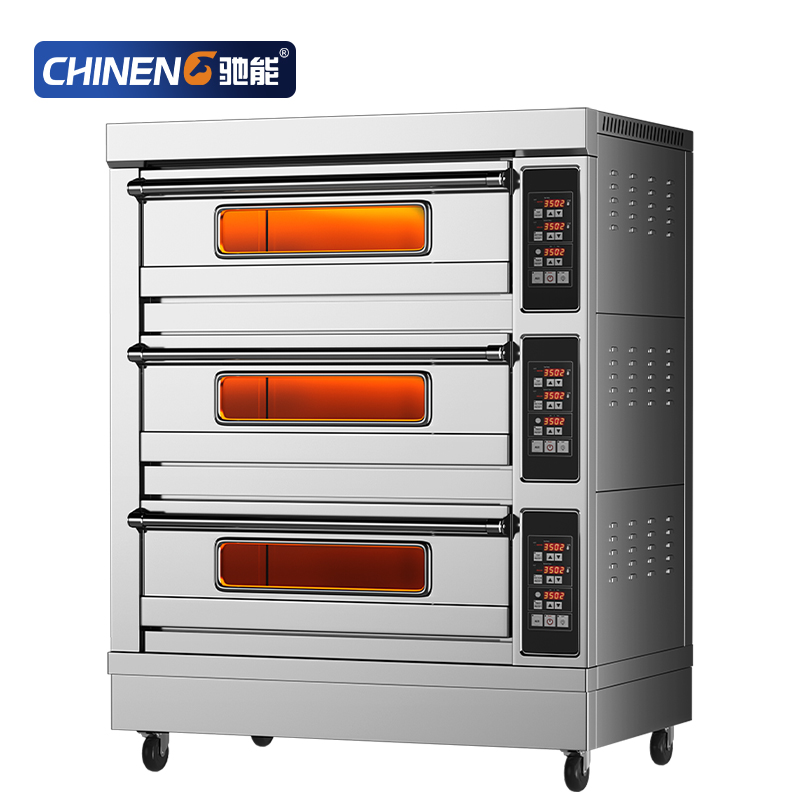
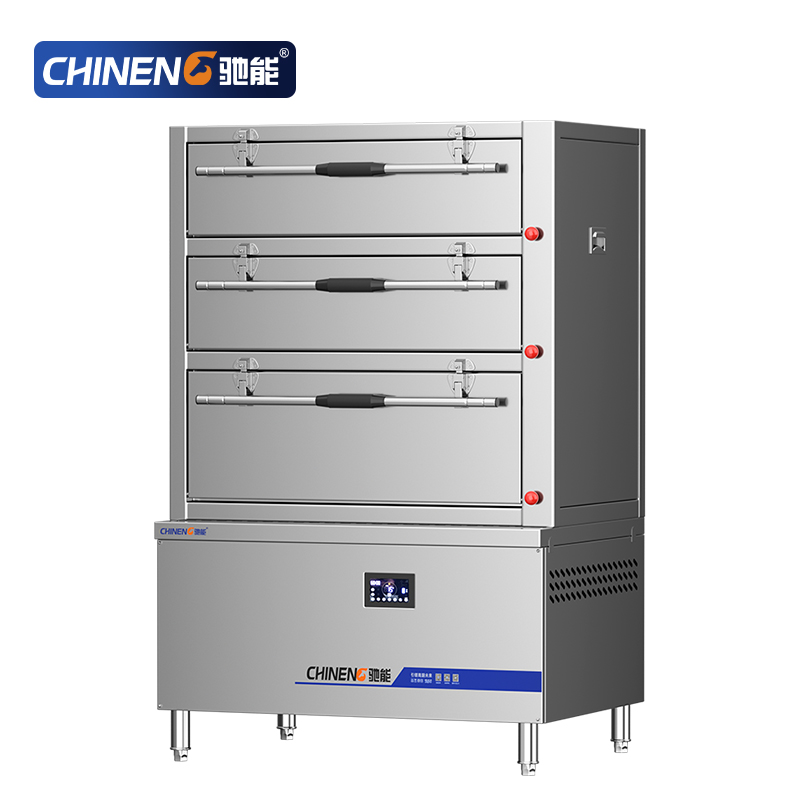
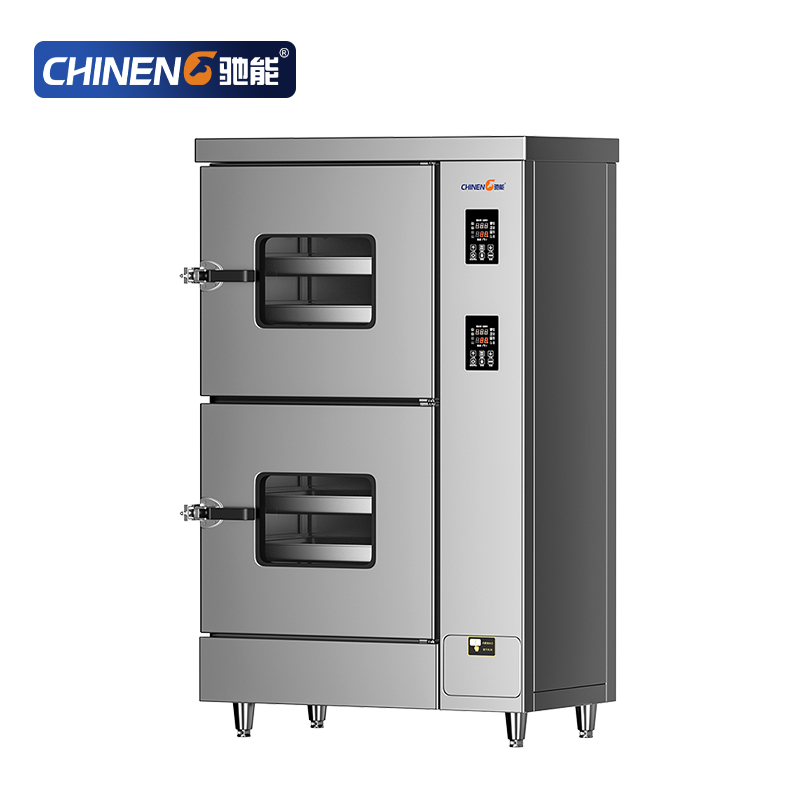
To address the diverse and upgraded menu needs of university canteens, the project includes the installation of a commercial multi-functional steam oven, replacing the fragmented combination of traditional steamers, ovens, fryers, and stewing equipment, thus achieving [the desired functionality].Steaming, baking, braising, stewing, hot air circulation, high-temperature reheatingMulti-mode integrated operation. The equipment is equipped with a precise temperature and humidity control system and standardized preset programs, supporting independent cooking in different layers and zones. It can simultaneously produce different types of products such as pastries, roasted meat, braised dishes, and steamed vegetables, without mixing flavors and ensuring consistent quality.
No dedicated personnel are required to monitor the operation. The entire cooking process can be completed automatically with a single click, effectively solving the problems of difficulty in producing specialty dishes, limited variety, and redundant equipment in traditional canteens. It helps canteens to stably launch a variety of dishes, including popular meals, specialty meals, and flavorful light meals, while streamlining the number of kitchen equipment and reducing equipment procurement, energy consumption, and maintenance costs.
2. Intelligent cooking machine: Standardized large wok for consistent food quality.
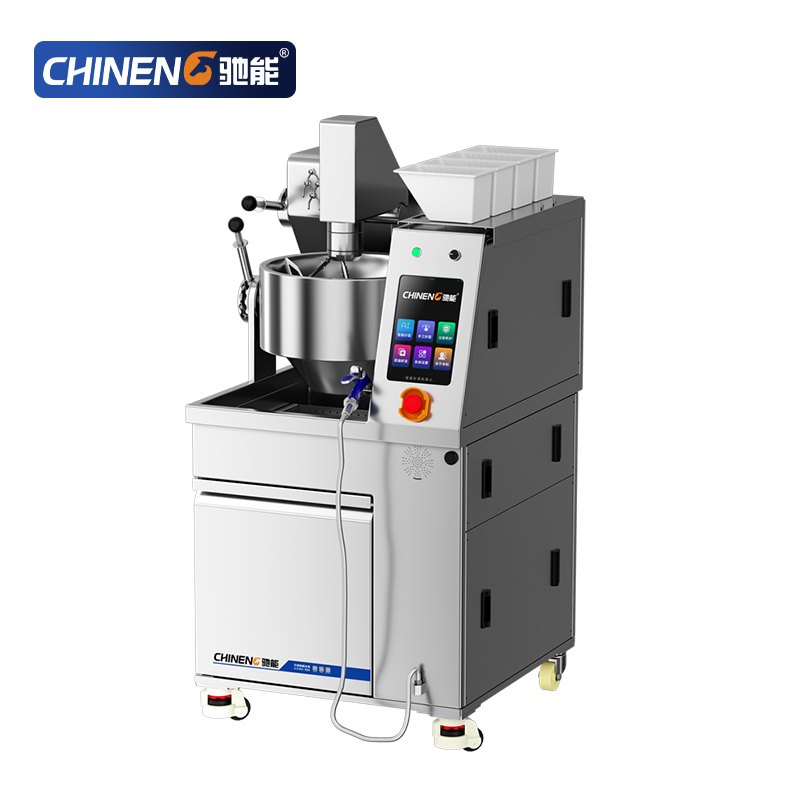
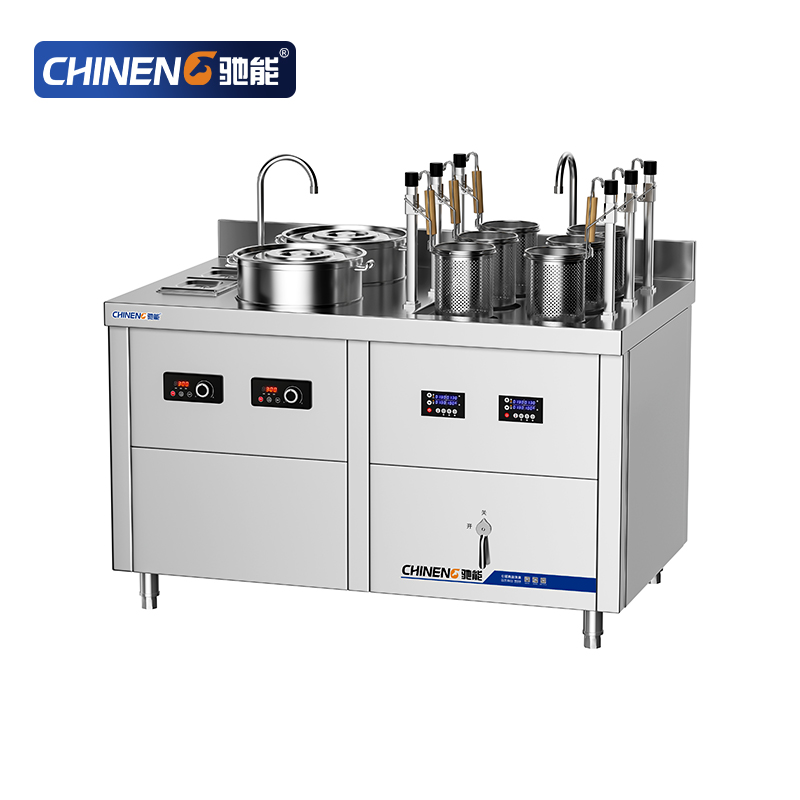
Targeting the daily demand for large-scale, mass-produced meals, the ChiNeng intelligent cooking machines are deployed in batches to meet the needs of 3,000 people with high-frequency meal service. The equipment uses intelligent stir-frying, precise temperature control, and timed cooking technology to standardize and replicate the parameters of mature dishes. After the ingredients and seasonings are added, the process is fully automated, effectively avoiding the problems of uneven heat, inconsistent saltiness, and unstable output caused by manual cooking.
The equipment boasts a large capacity and stable speed, ensuring ample supply of large-scale meals during peak meal times, alleviating manpower pressure in the kitchen, and reducing reliance on experienced chefs. Simultaneously, the equipment features low oil fume and high energy efficiency, significantly optimizing the kitchen working environment, reducing energy consumption, and adapting to the long-term, stable operation rhythm of the campus.
3. Smart Meal Serving Machine: Efficiently distributes meals, reducing food waste.
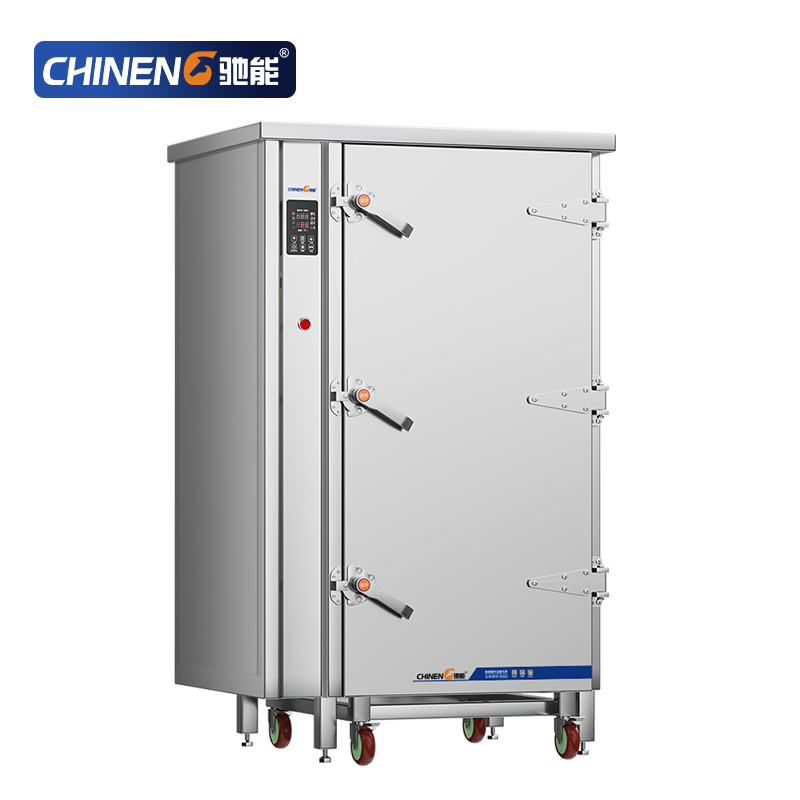
To address issues such as peak-hour congestion, uneven meal distribution, and food waste, the cafeteria has been equipped with smart food dispensing equipment. This equipment supports precise portion control and flexible adjustments to meet the diverse dining needs of students and faculty. Card swiping and QR code scanning enable quick meal dispensing, replacing the traditional manual method of repeatedly scooping and dispensing food. This significantly improves efficiency, effectively manages peak-hour crowds, and reduces waiting times for students and faculty.
The equipment comes with a built-in constant temperature and heat preservation function, which continuously ensures that the food is warm and palatable. The standardized and quantitative meal dispensing can accurately control the loss of ingredients and eliminate the waste caused by manual meal distribution. While improving the dining experience, it can also achieve refined cost control in the canteen.
4. Fully automatic dishwasher: Closed-loop high-temperature sterilization, ensuring food safety.
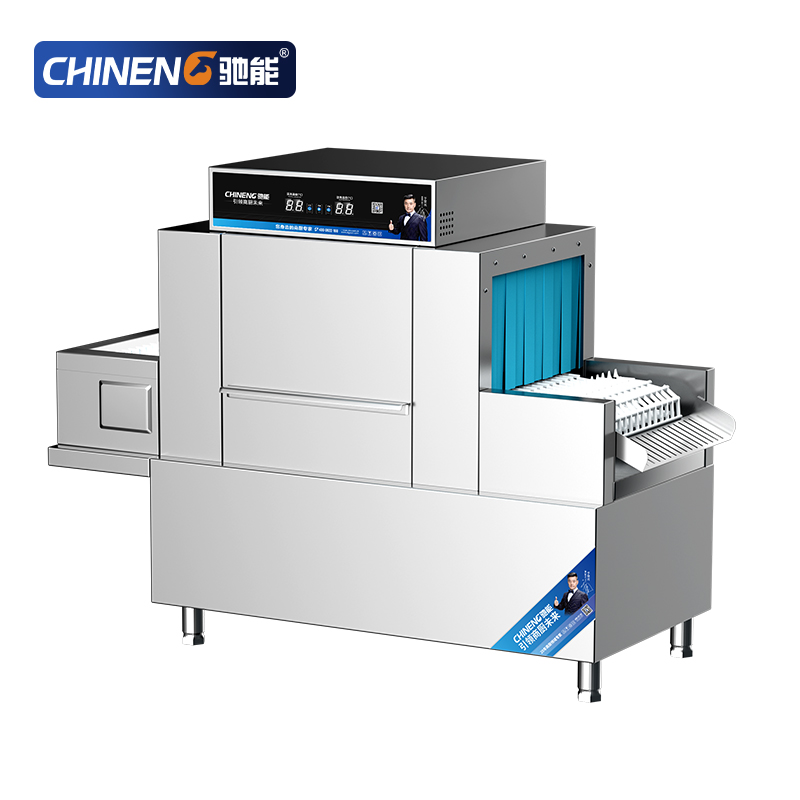
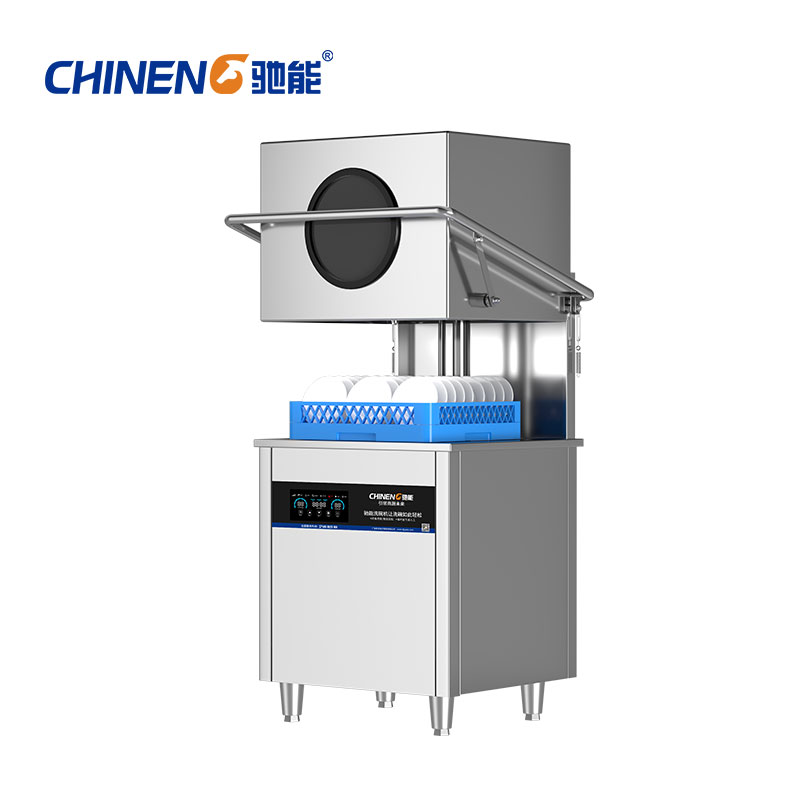
To address the pressure of large-scale tableware turnover in a canteen serving 3,000 people, a fully automatic, aisle-type dishwasher was installed, and a system was built.High-pressure cleaning, high-temperature spraying, sterilization and disinfection, hot air dryingIntegrated closed-loop process. Fully automated operation, eliminating the need for manual soaking, scrubbing, and handling, efficiently handling massive amounts of tableware cleaning and disinfection for three meals a day, meeting high-frequency turnover needs.
The standardized high-temperature disinfection process can effectively remove oil stains, kill harmful bacteria, eliminate the risk of cross-contamination of tableware, and complete cleaning, drying and disinfection in one step. The process is visible and traceable, fully complies with campus food safety standards, and can easily pass routine hygiene inspections at all levels. At the same time, it saves water and electricity significantly compared with manual cleaning, reducing operating energy consumption.
III. Overall Optimization and Standardization Upgrade of the Kitchen
This renovation was not simply a matter of adding up a single piece of equipment, but rather a complete reorganization of the existing space in the cafeteria.Preliminary processing area, intelligent cooking area, steaming and baking specialty area, food preparation and sales area, washing, disinfection and storage areaThe five functional areas optimize the unidirectional work flow, avoiding problems such as overlapping operations and congestion. Simultaneously, it integrates with the transparent kitchen monitoring system, ensuring full transparency and traceability of kitchen operations, and comprehensively improving the standardization and normalization of the canteen's management.
IV. Project Implementation Results
After the project was put into regular operation and underwent long-term verification, the canteen achieved steady improvements in four dimensions: food quality, efficiency, cost, and food safety. All results are consistent with the actual operation scenario on campus.
1. The variety of dishes has significantly increased.With the help of a multi-functional steam oven and a smart cooking machine, the number of regular dishes offered in the canteen has increased significantly, catering to both the general public's needs and unique flavors, and the dining satisfaction of teachers and students has continued to improve.
2. Meal service efficiency has been greatly improvedIntelligent equipment replaces repetitive manual operations, improving the overall efficiency of the kitchen by more than 50%. During peak dining hours of 3,000 people, the food service is stable and orderly, with no delays in food preparation or long queues.
3. Food safety management is fully compliantStandardized cooking, closed-loop disinfection of tableware, and visualized kitchen supervision help avoid food safety hazards throughout the entire process, achieve zero problems in routine inspections, and make food safety management more standardized and worry-free.
4. Continuous optimization of operating costsStreamlining redundant equipment and kitchen staffing effectively reduces manpower, equipment maintenance, water and electricity consumption, and food waste, resulting in significant cost reductions in the long run.
5. The working environment has been fully upgraded.Intelligent, low-energy-consumption equipment replaces traditional equipment that generates high levels of oil fumes and consumes a lot of energy, completely improving the problems of high temperature, oil fumes, and mess in the kitchen, making the working environment safer, cleaner, and more comfortable.
V. Summary
The core of the intelligent upgrade of university canteens isStandardizing equipment addresses operational pain points, while standardized processes ensure long-term stability.This renovation of a university canteen serving 3,000 students, undertaken by Chineng, addresses the essential needs of campus catering by scientifically combining and implementing multi-functional steam ovens, intelligent cooking machines, intelligent rice dispensers, and fully automatic dishwashers in various scenarios. This has resulted in a comprehensive upgrade in terms of menu diversification, efficient food service, food safety compliance, and energy-saving operation.
In the future, Chineng will continue to focus on the commercial kitchen sector in schools, providing customized, feasible, and cost-effective smart canteen solutions to meet the differentiated operational needs of canteens in universities and middle schools of different sizes, thus helping to promote the high-quality, standardized, intelligent, and sustainable development of campus catering services.